





Hair Transplant Results
Hair transplant results are evaluated not only by new hair growth, but also by a natural hairline, proper density planning, hair direction, preservation of the donor area, and facial harmony. Therefore, in a successful hair transplant process, what matters most is how natural, balanced, and lasting the final result looks.


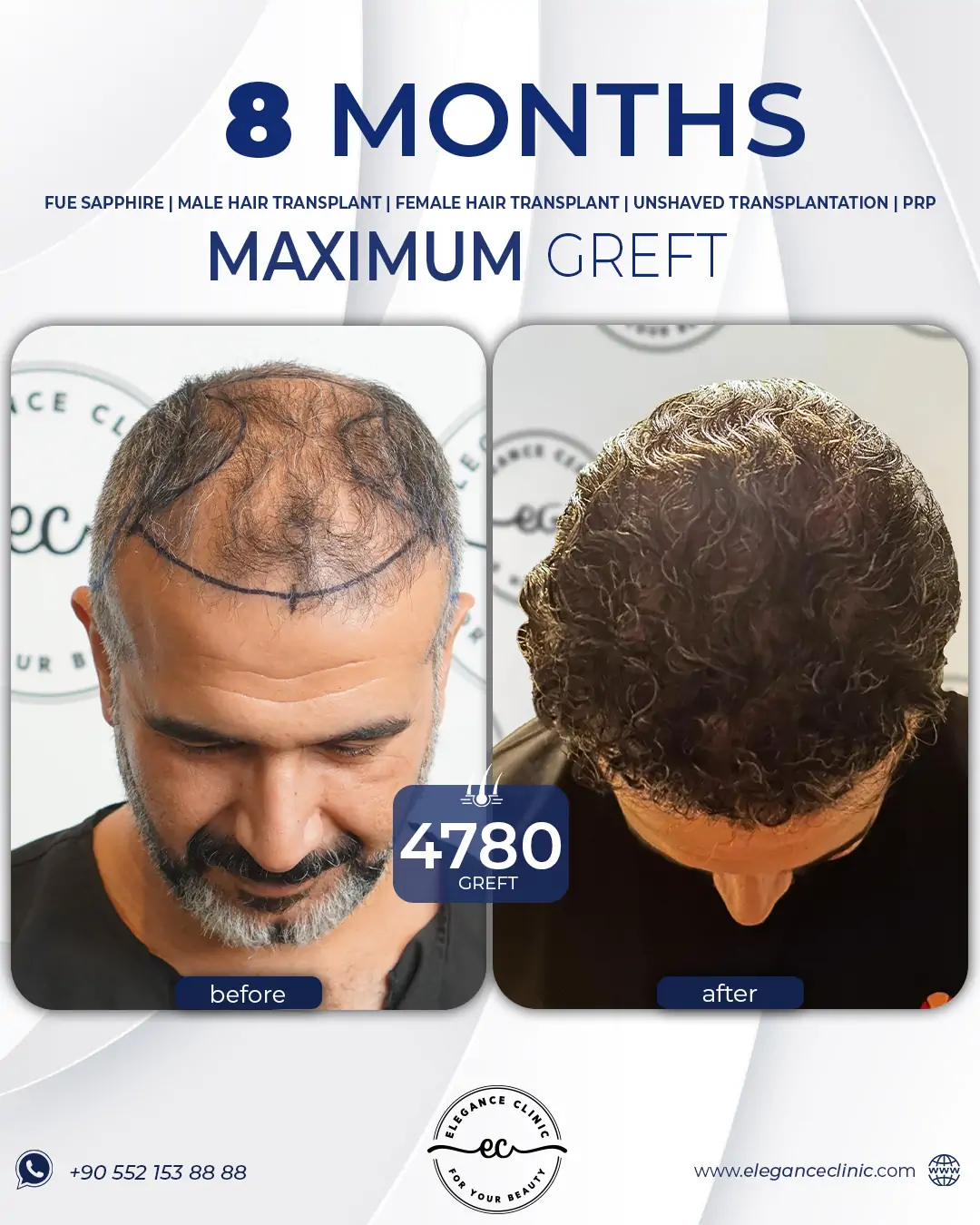
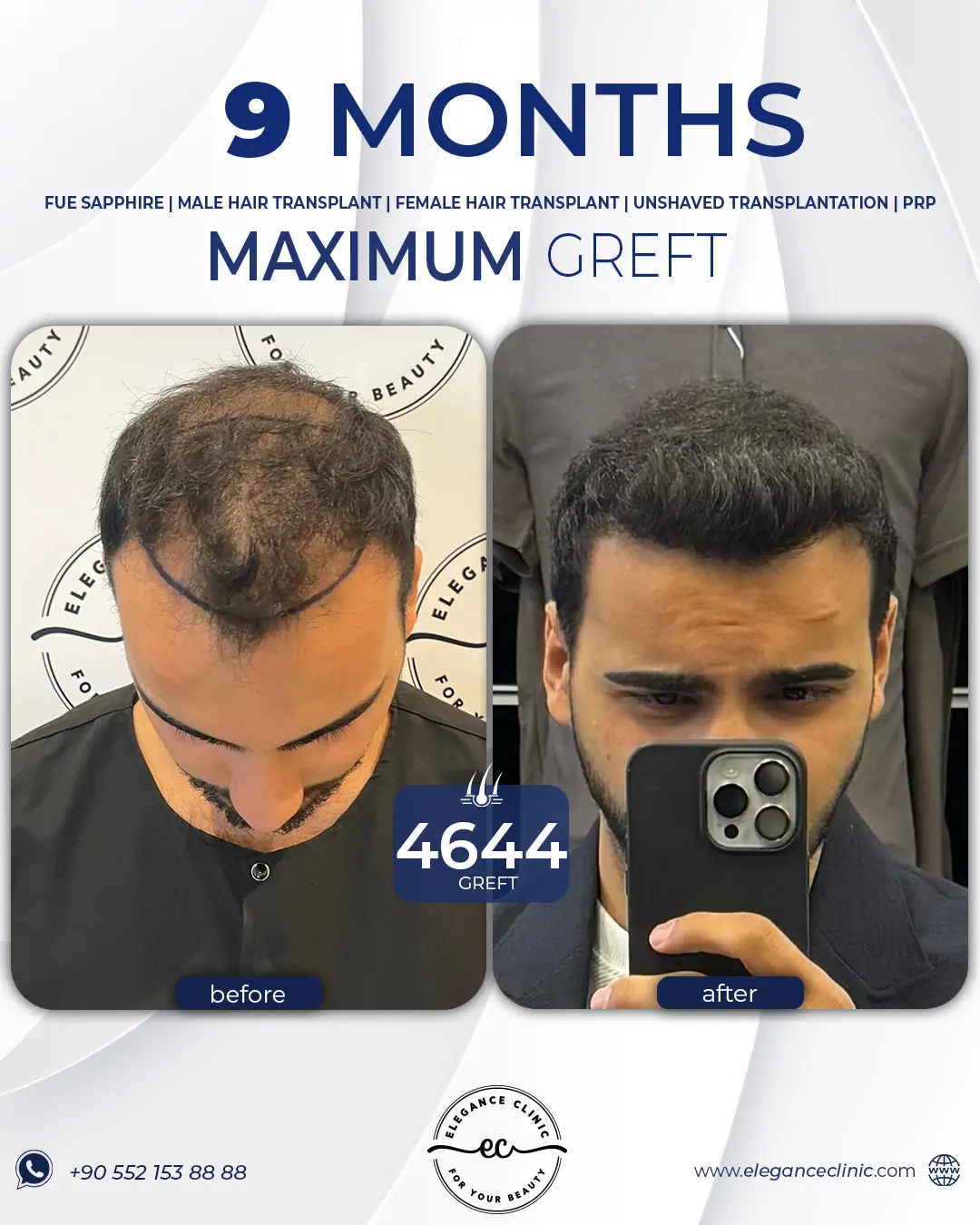
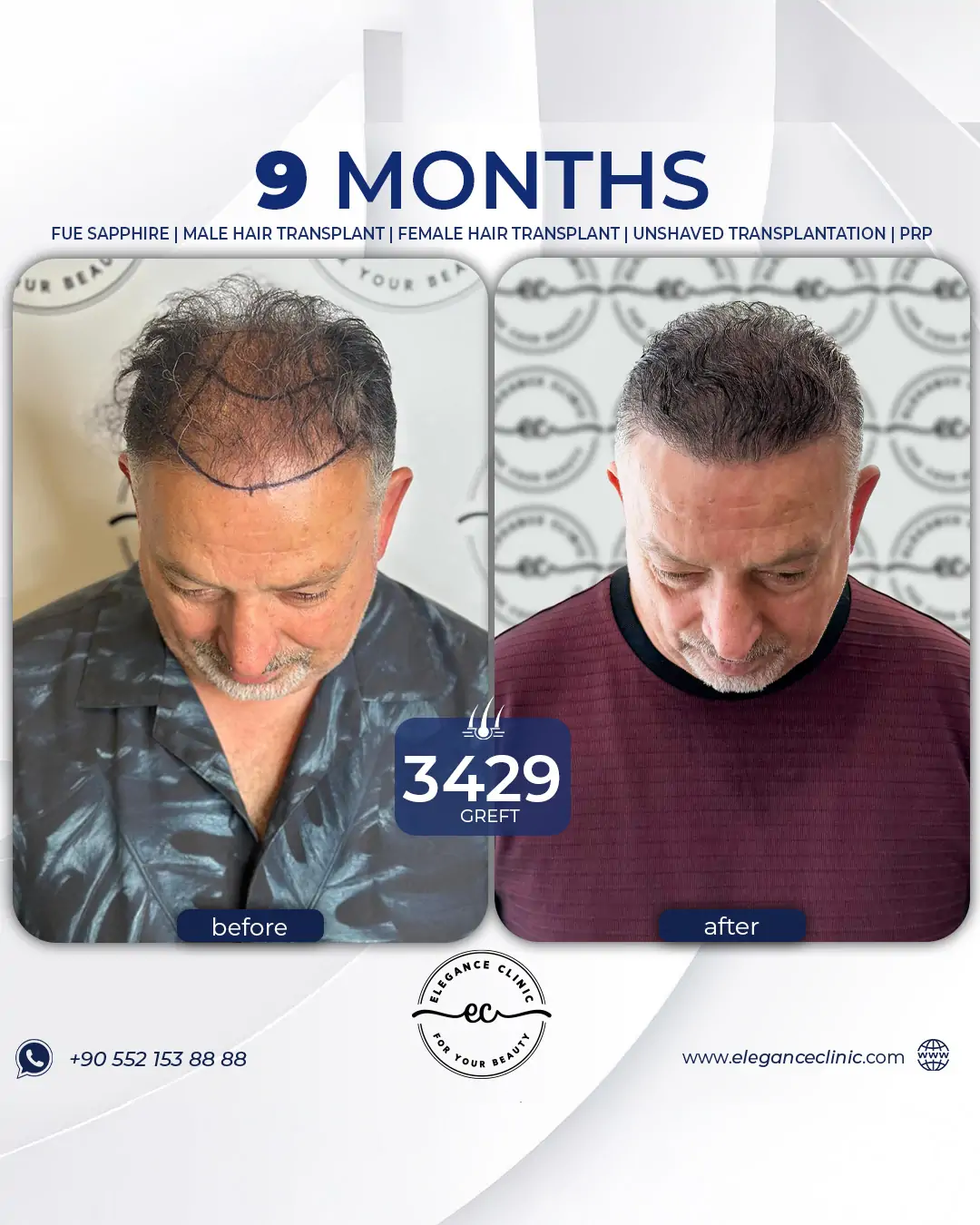
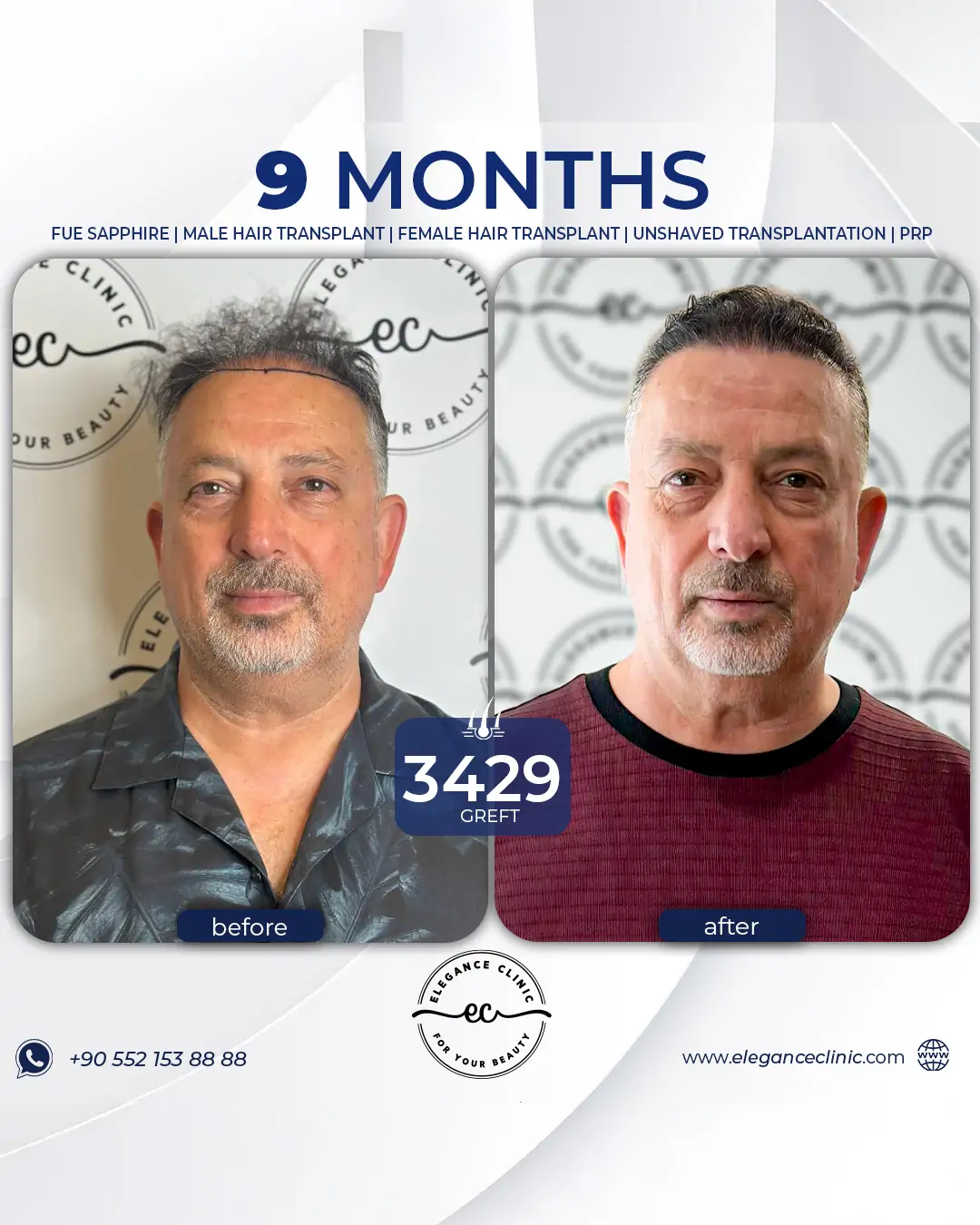
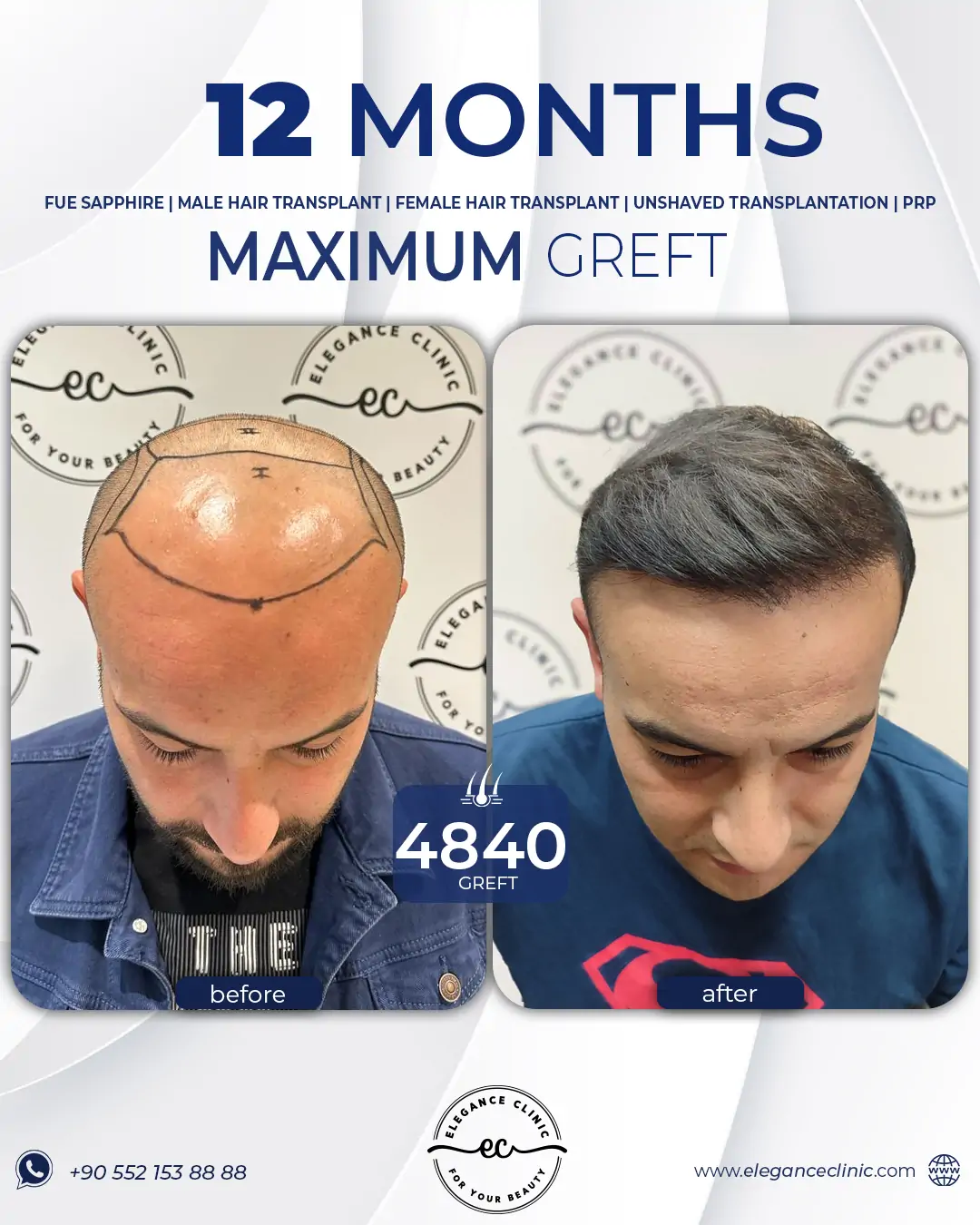
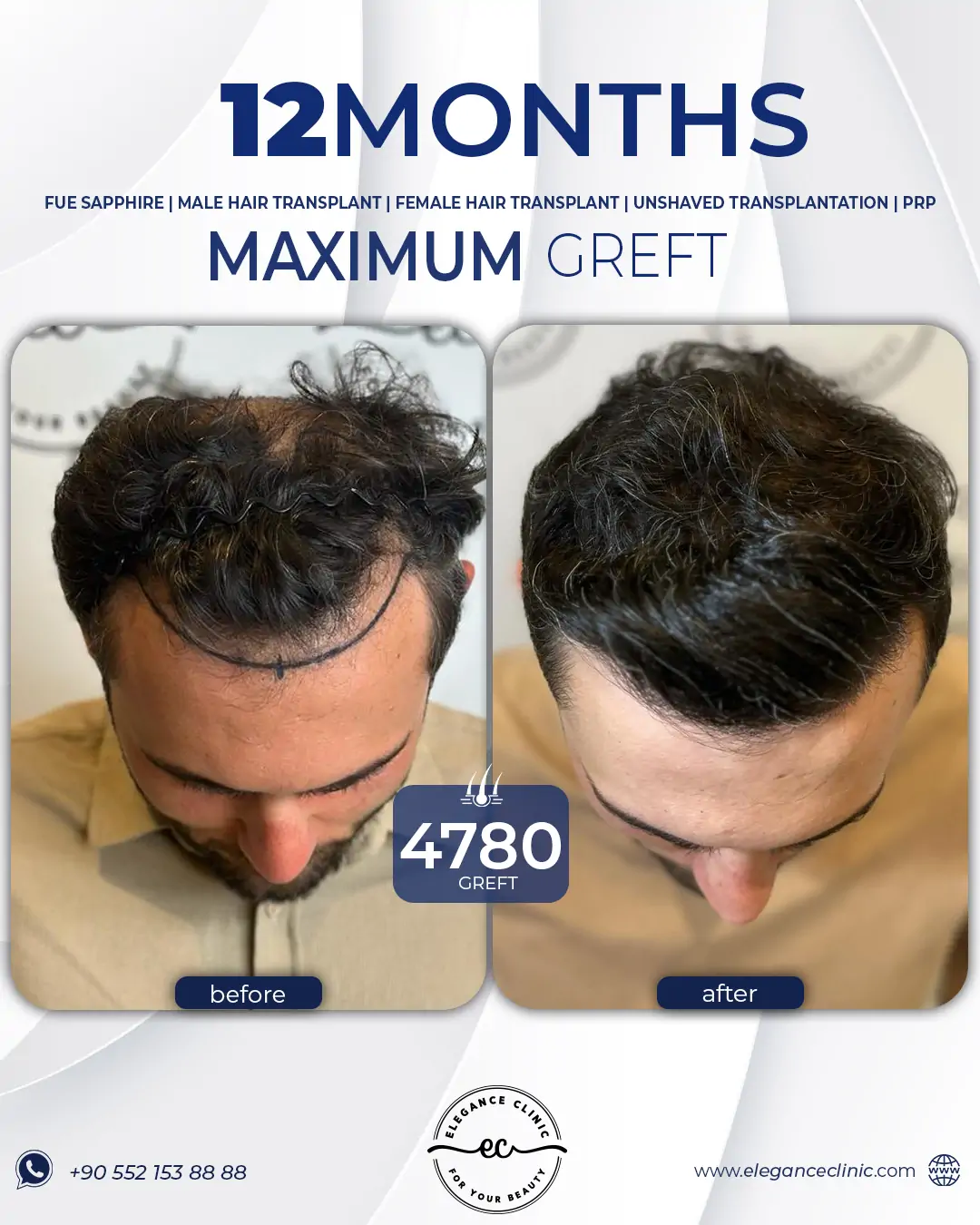
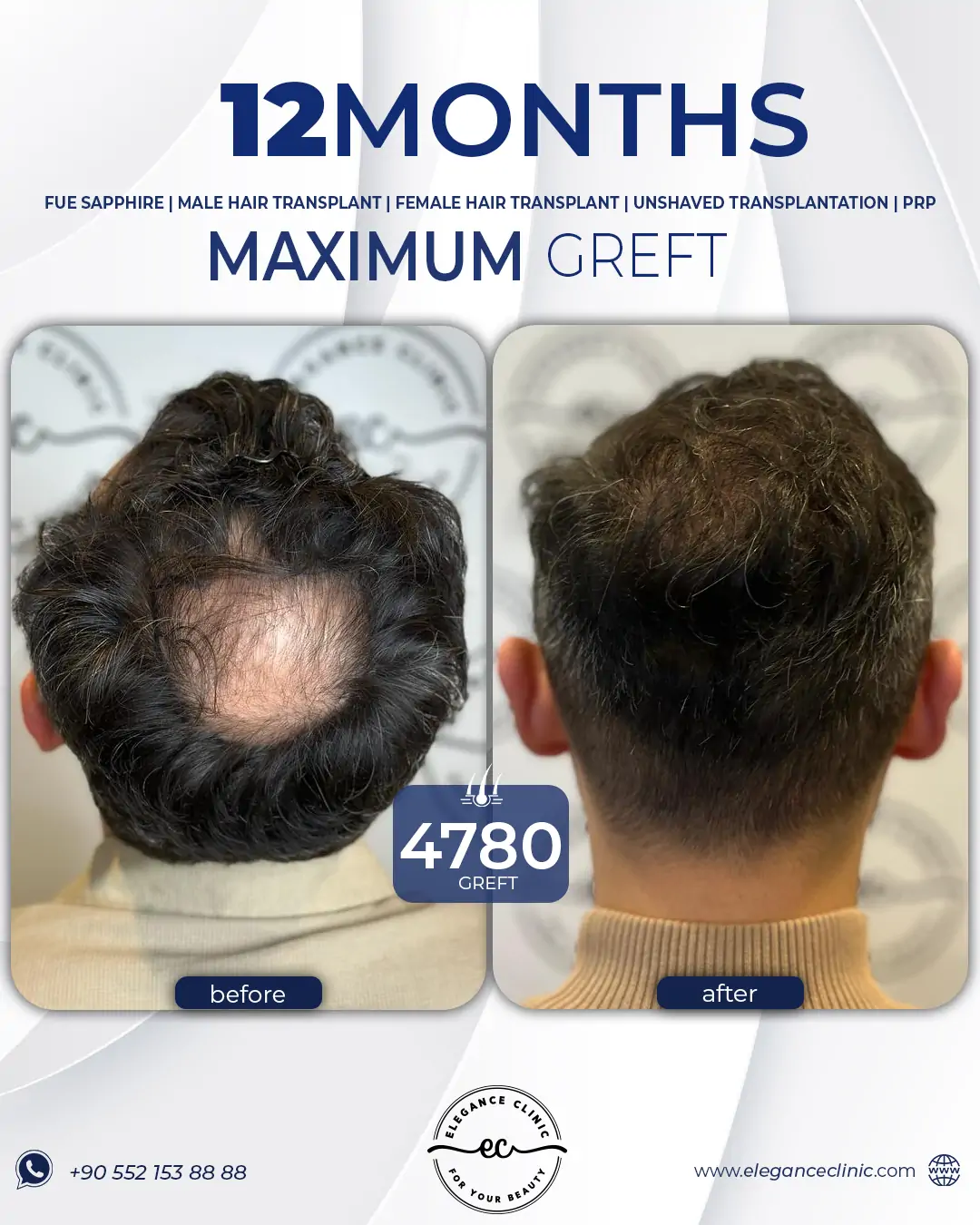
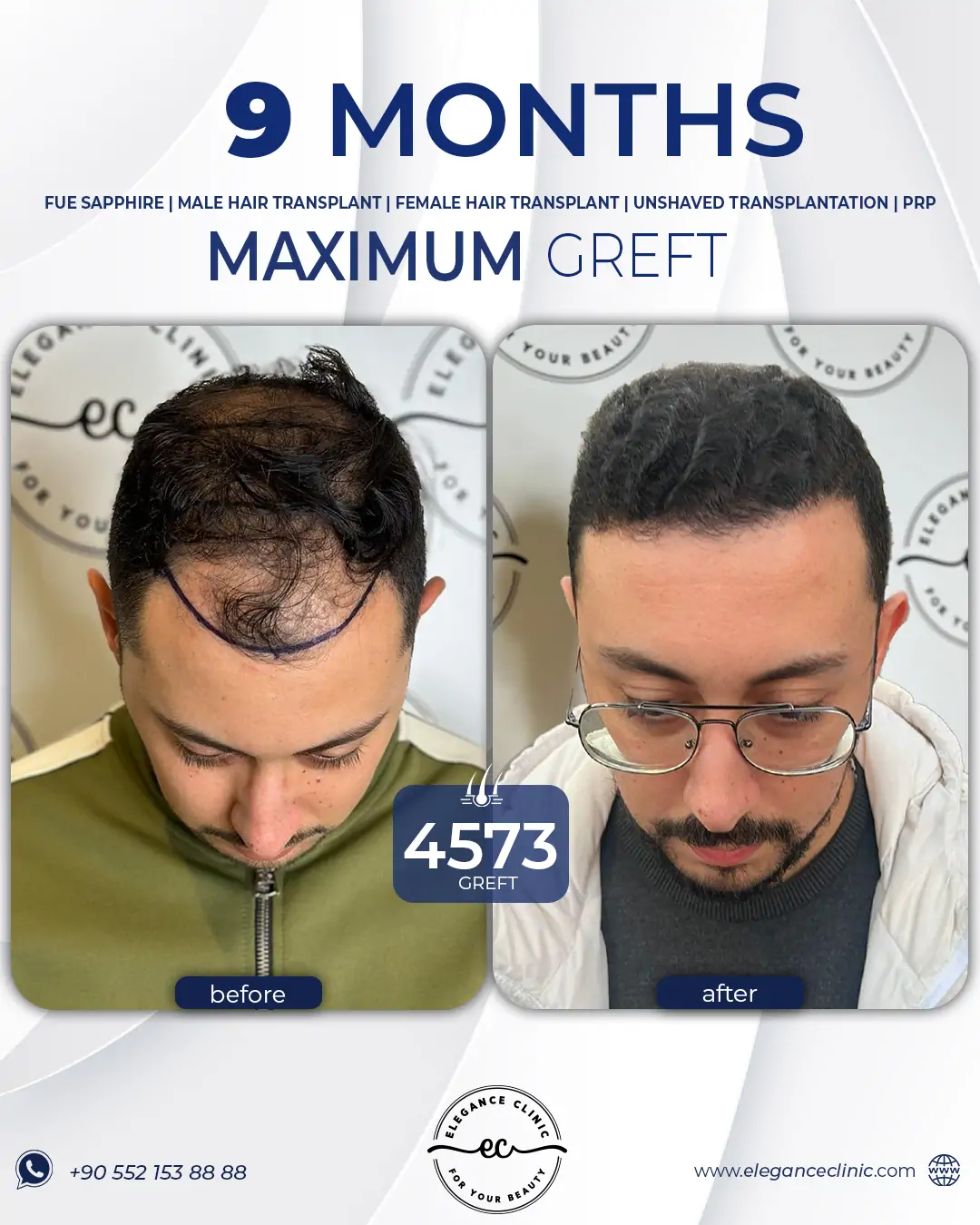
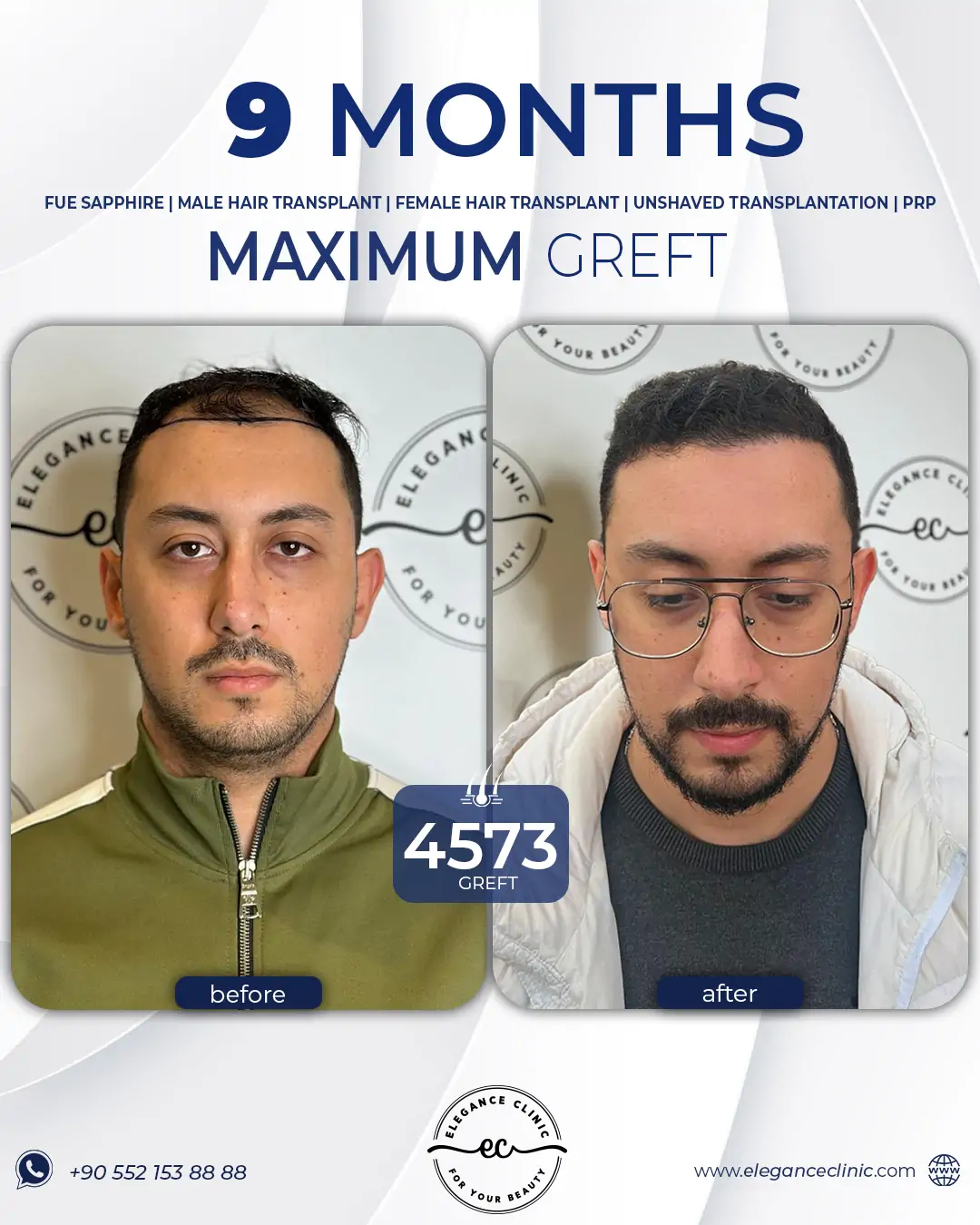
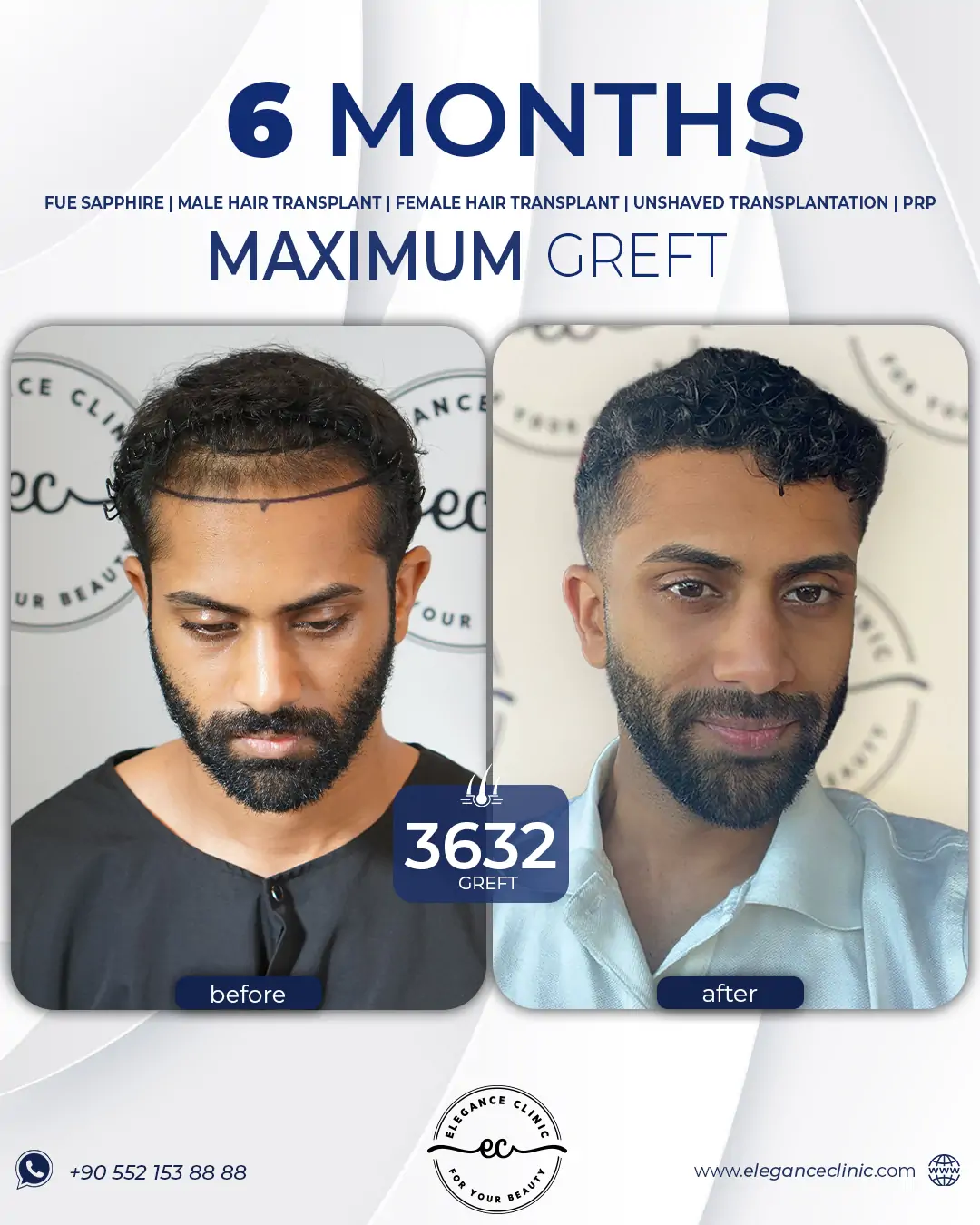
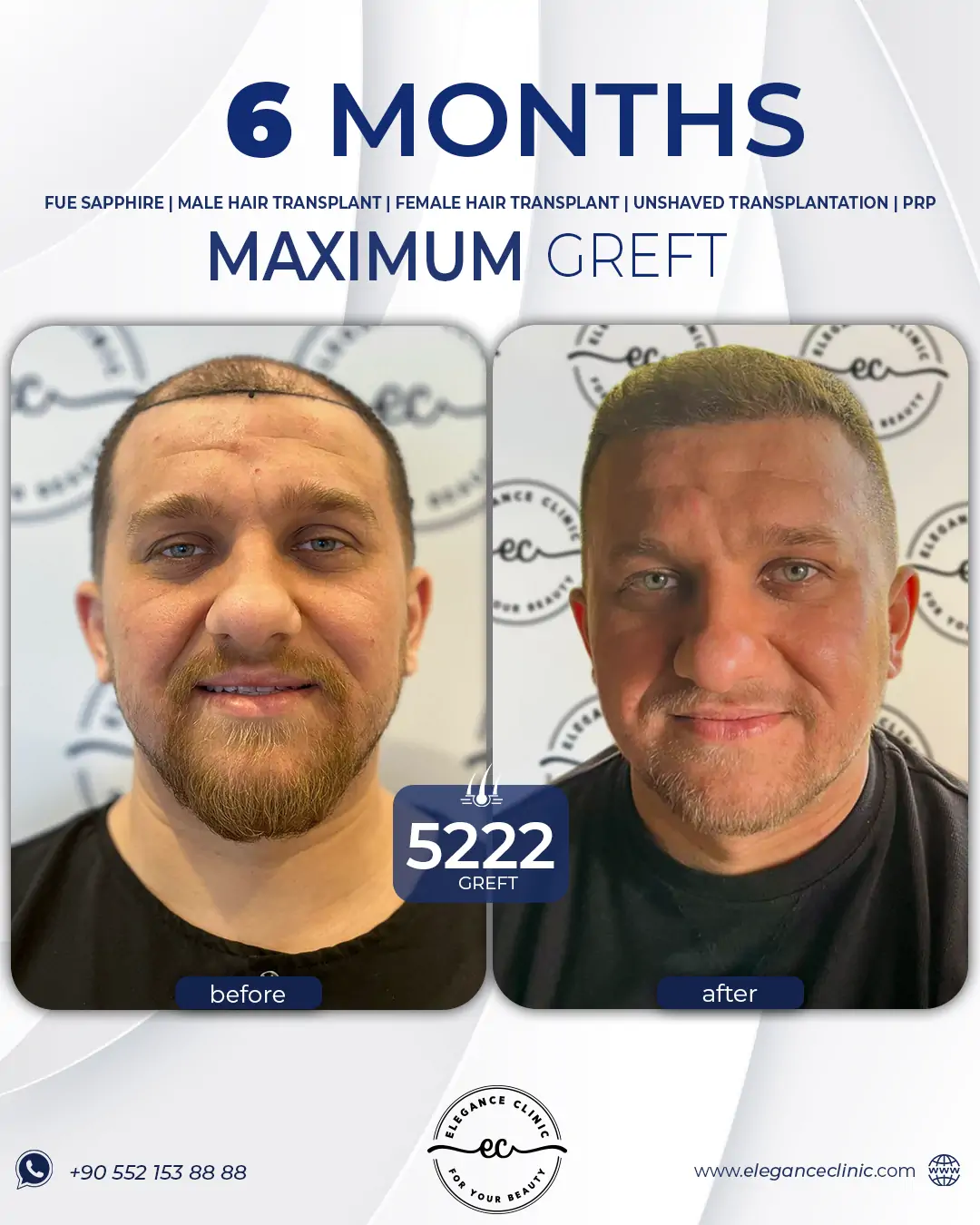
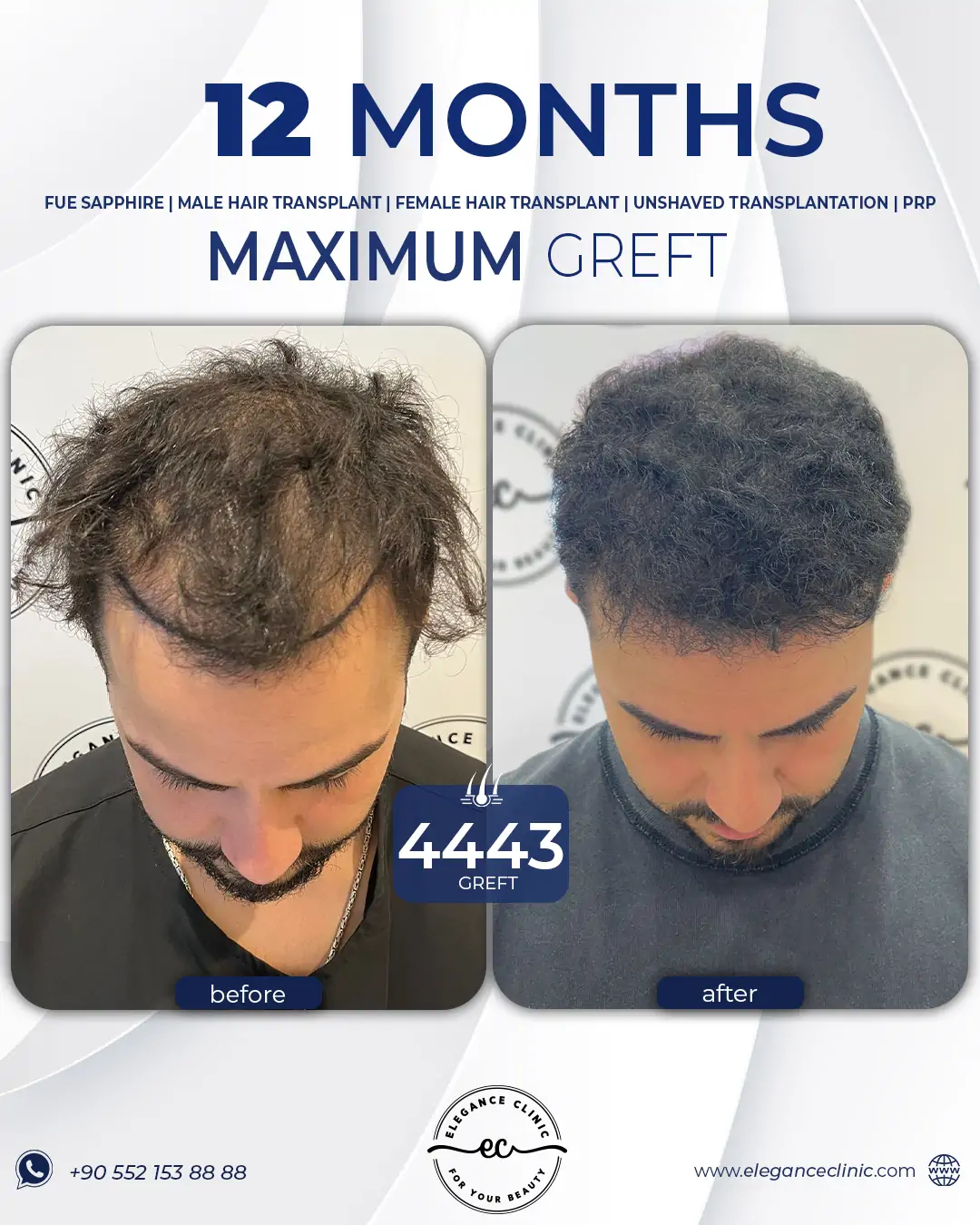
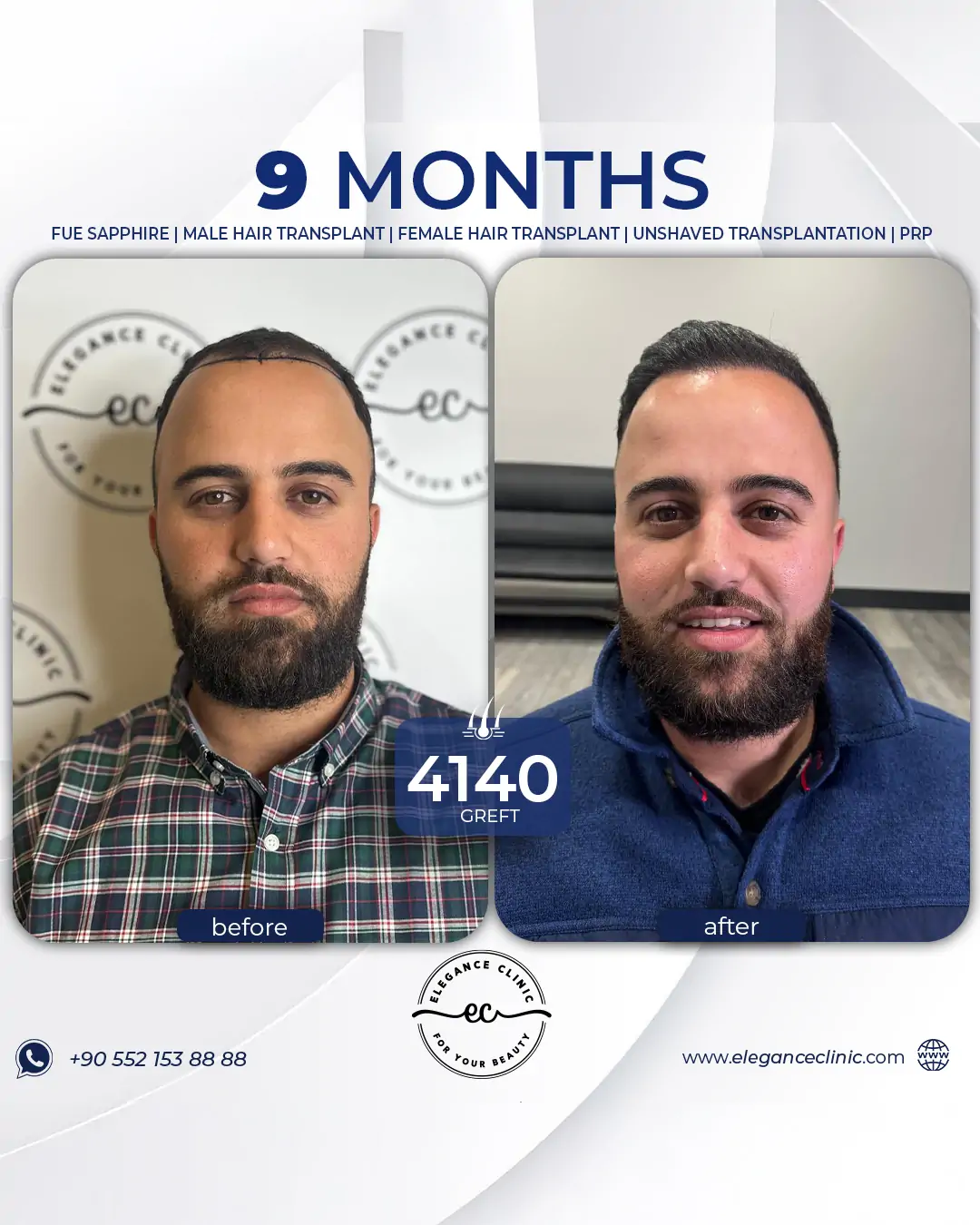
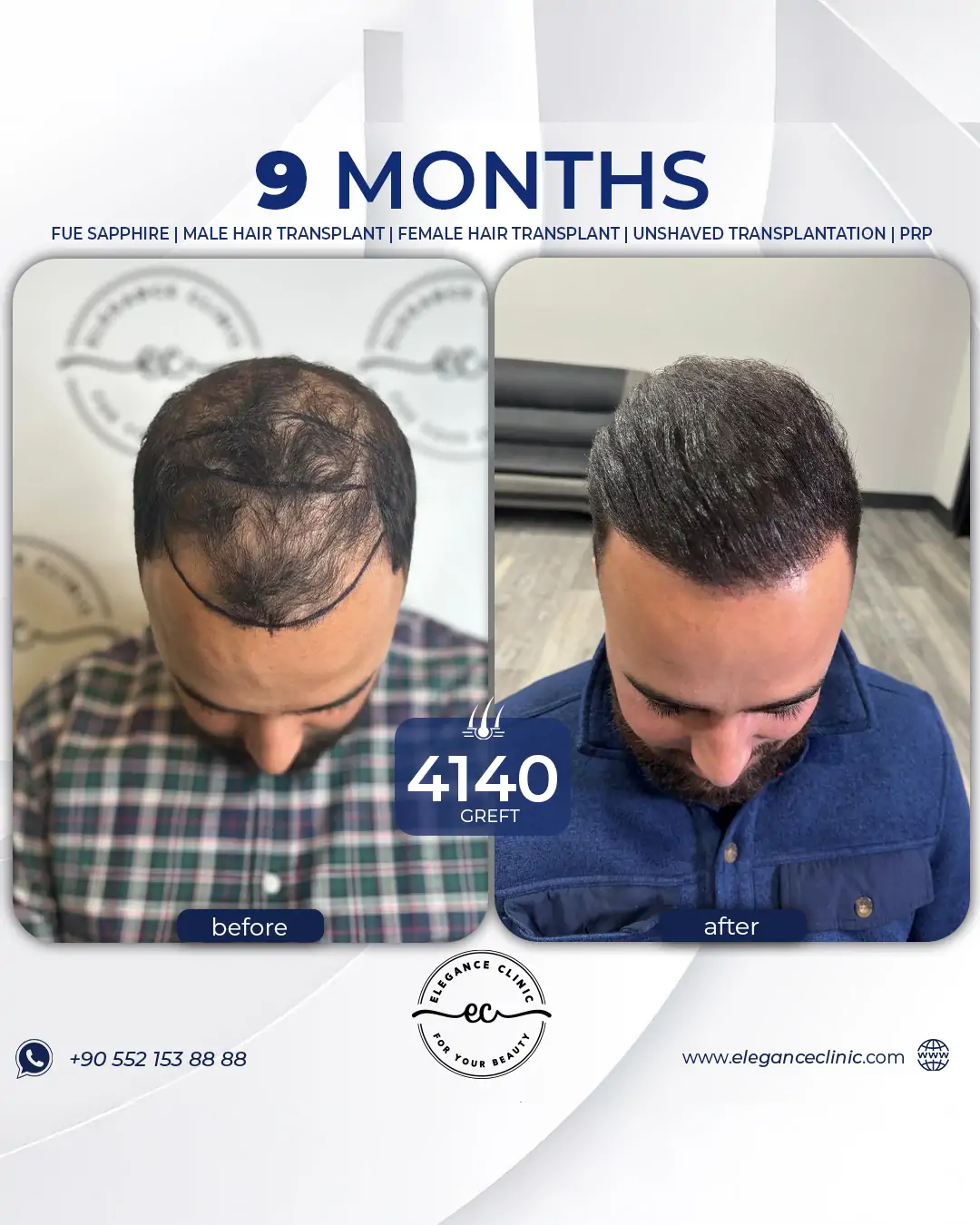
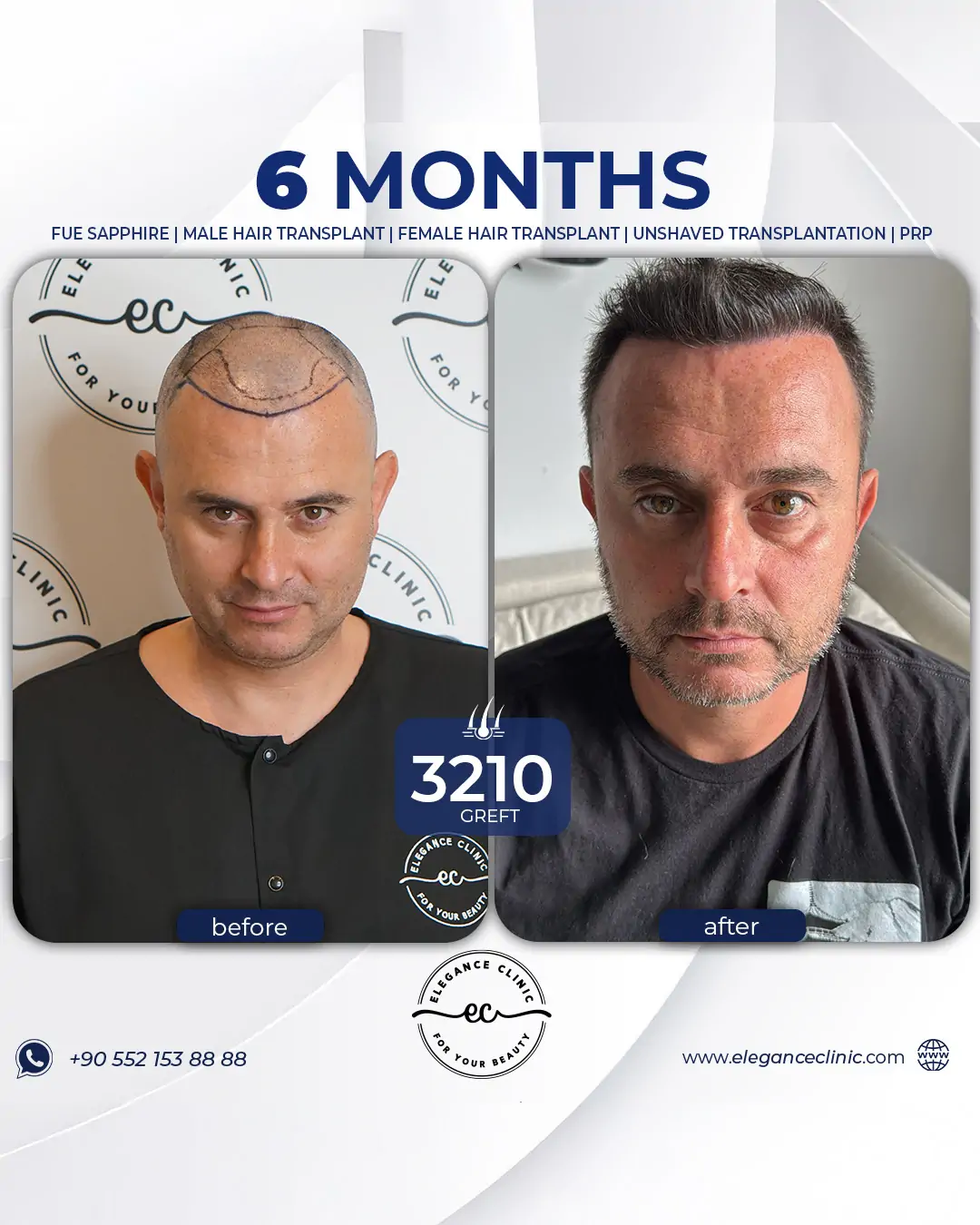
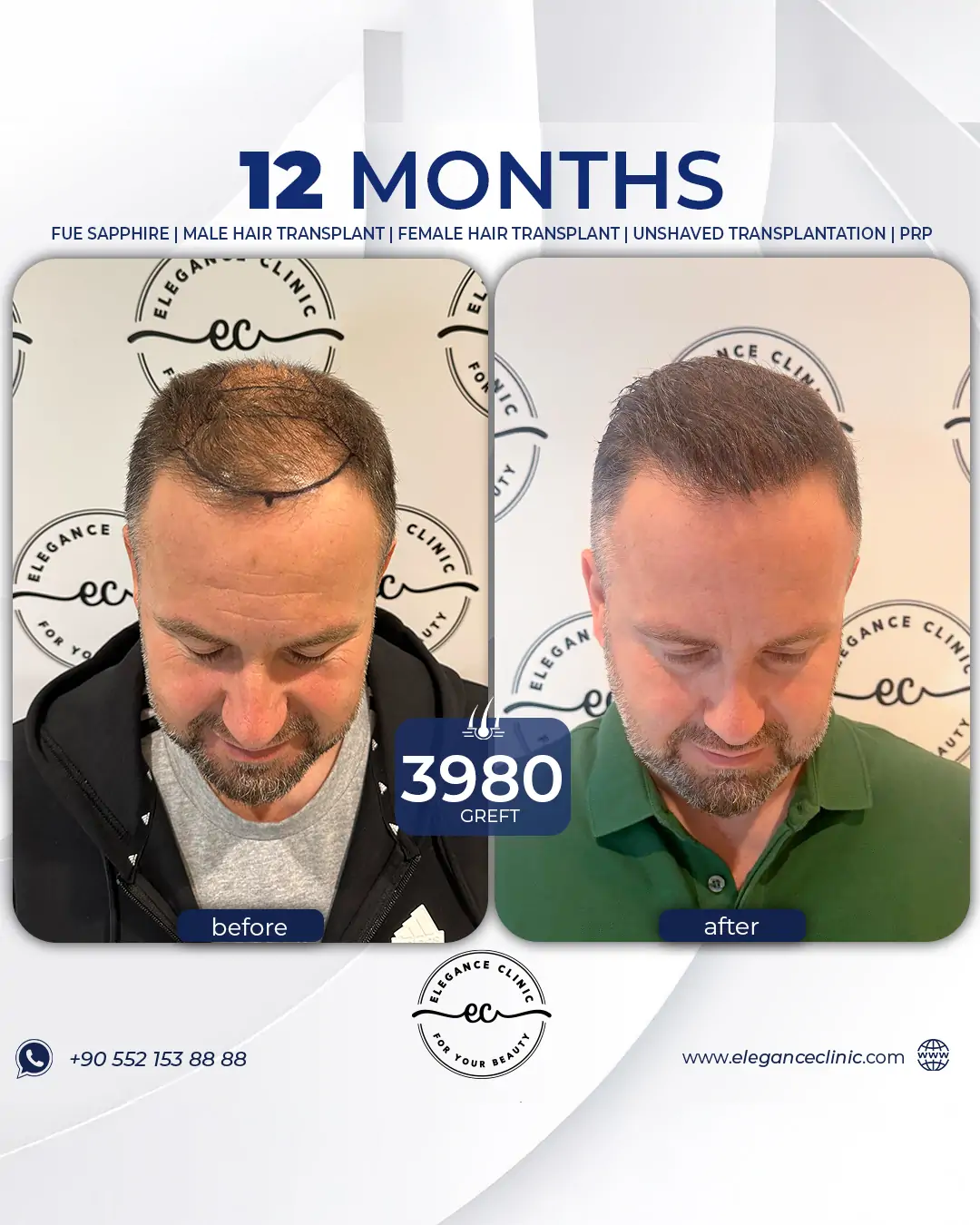
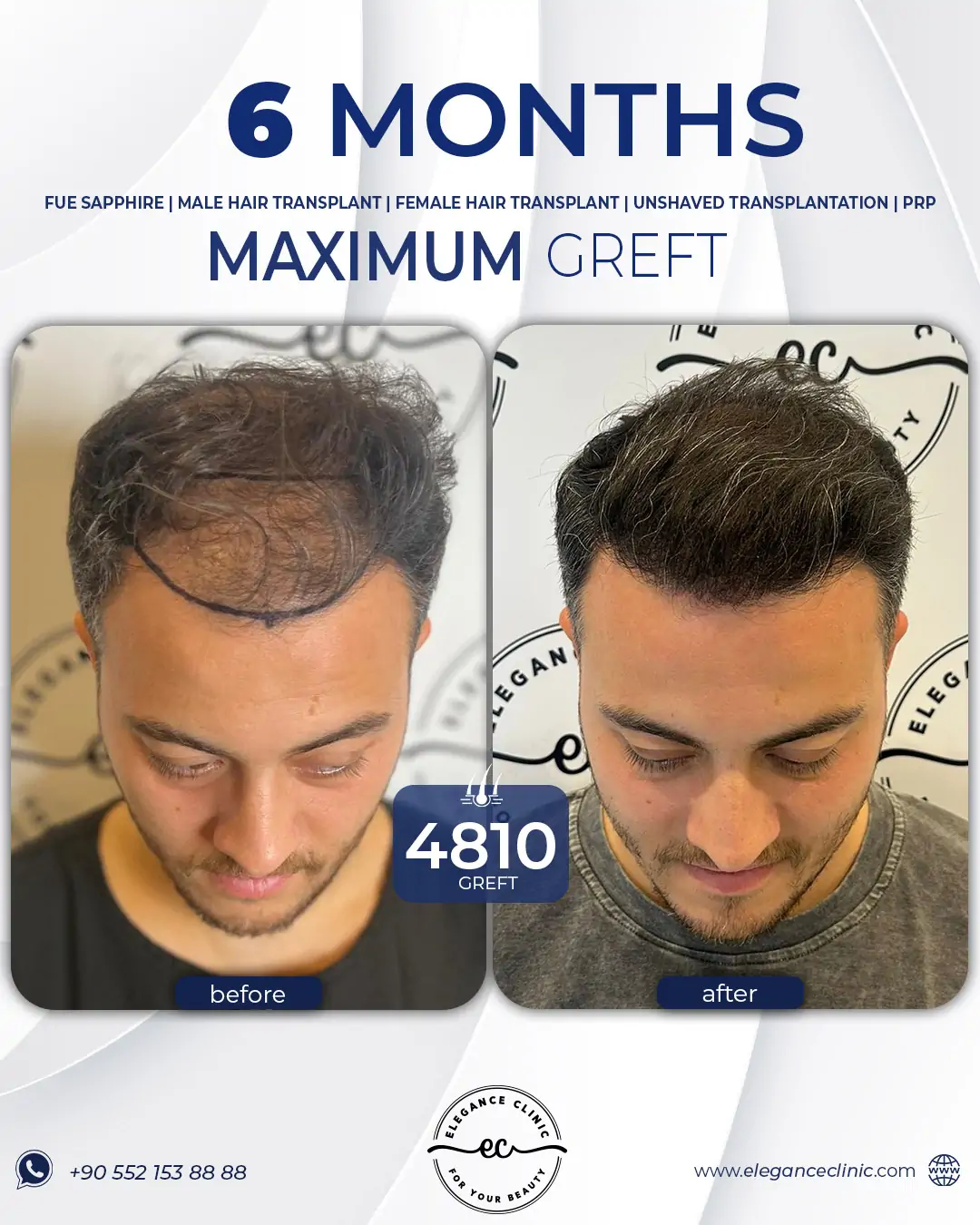
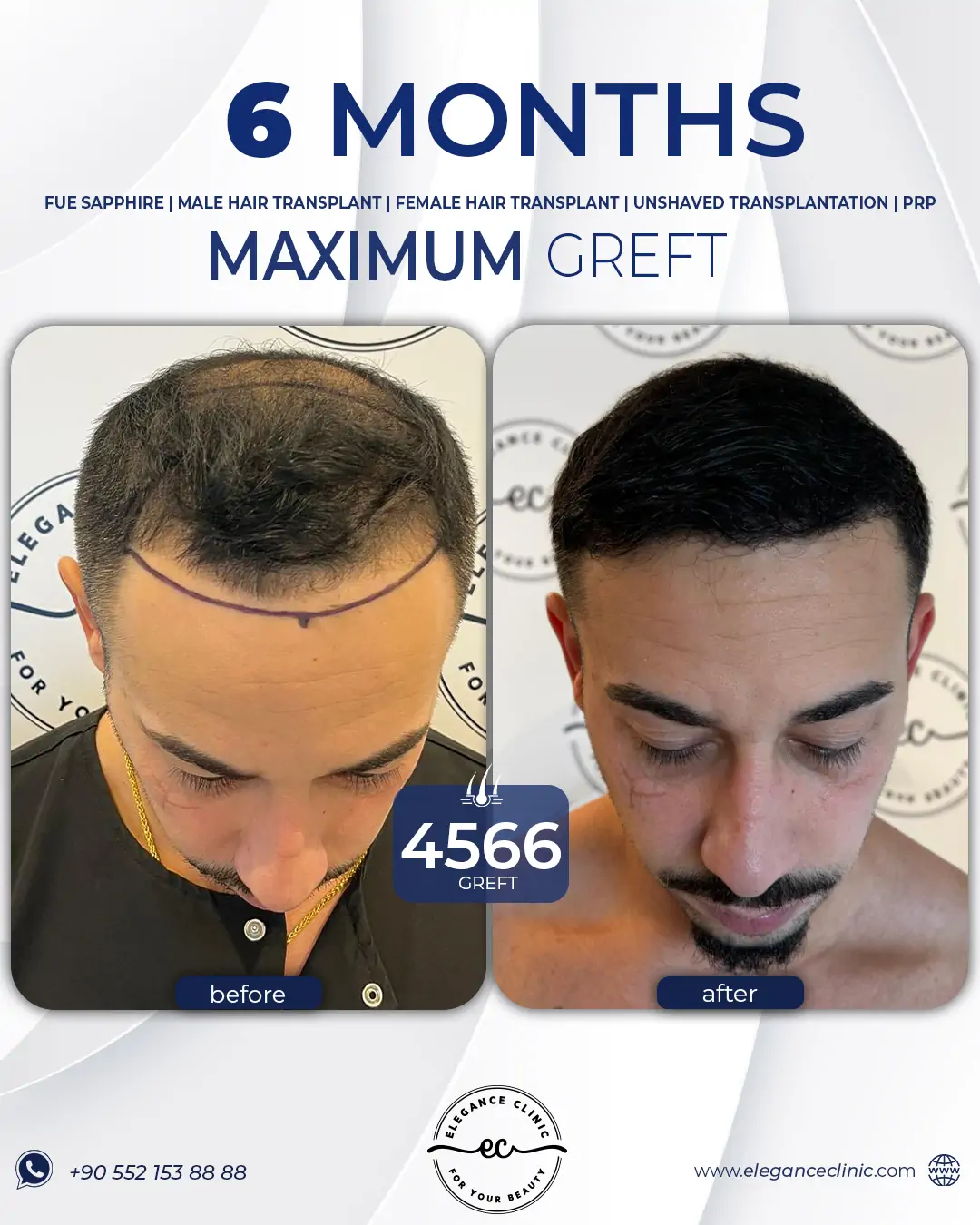
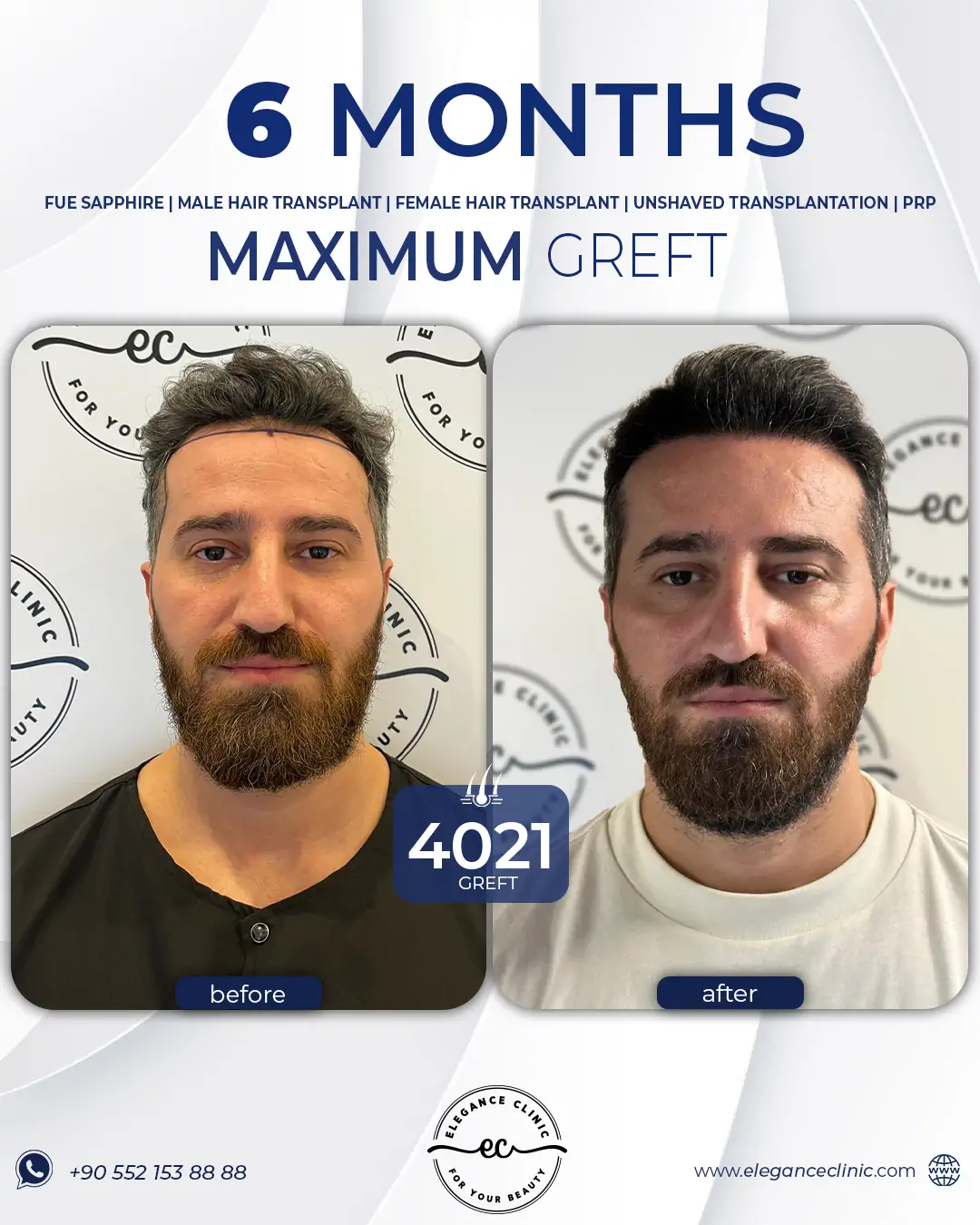
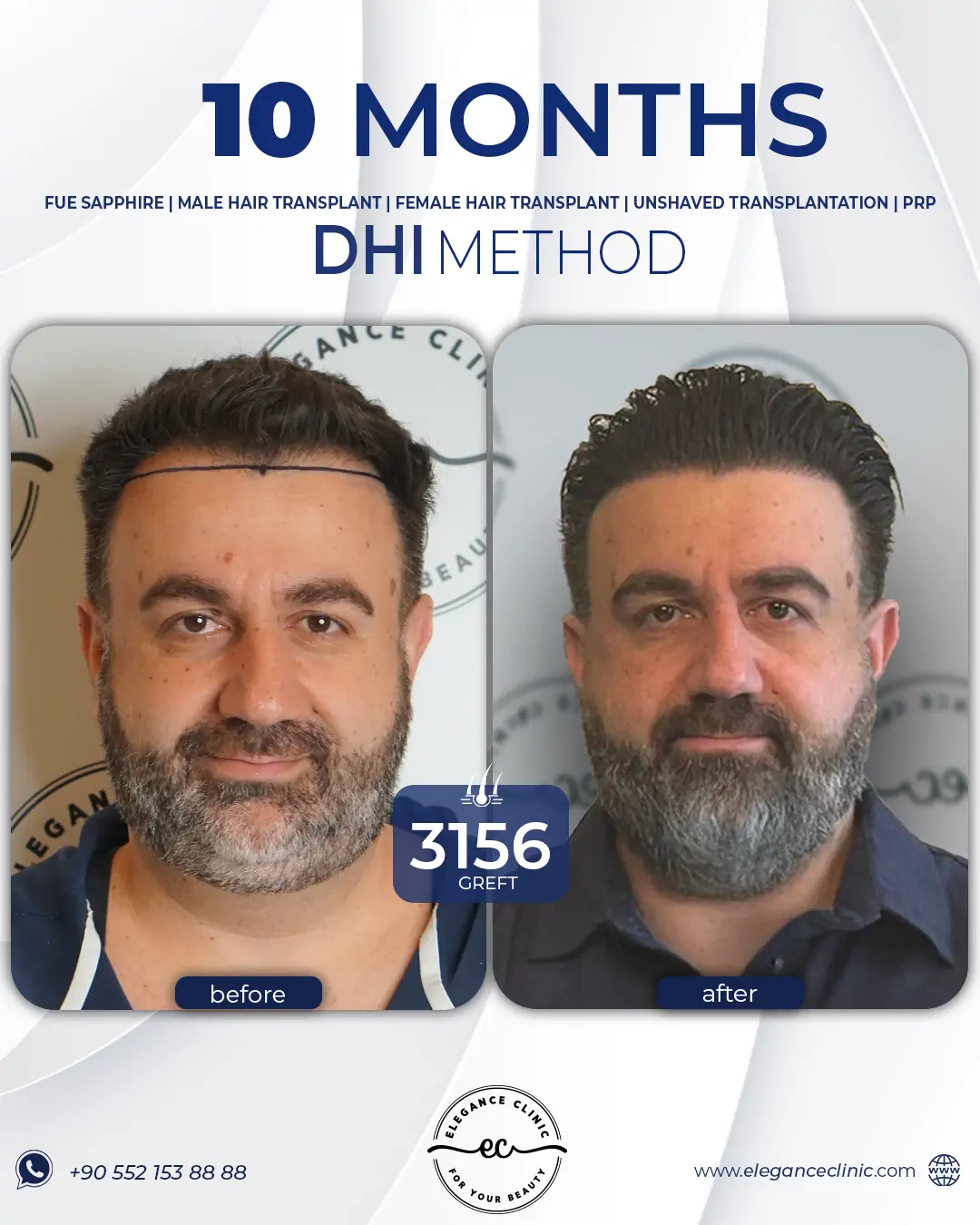
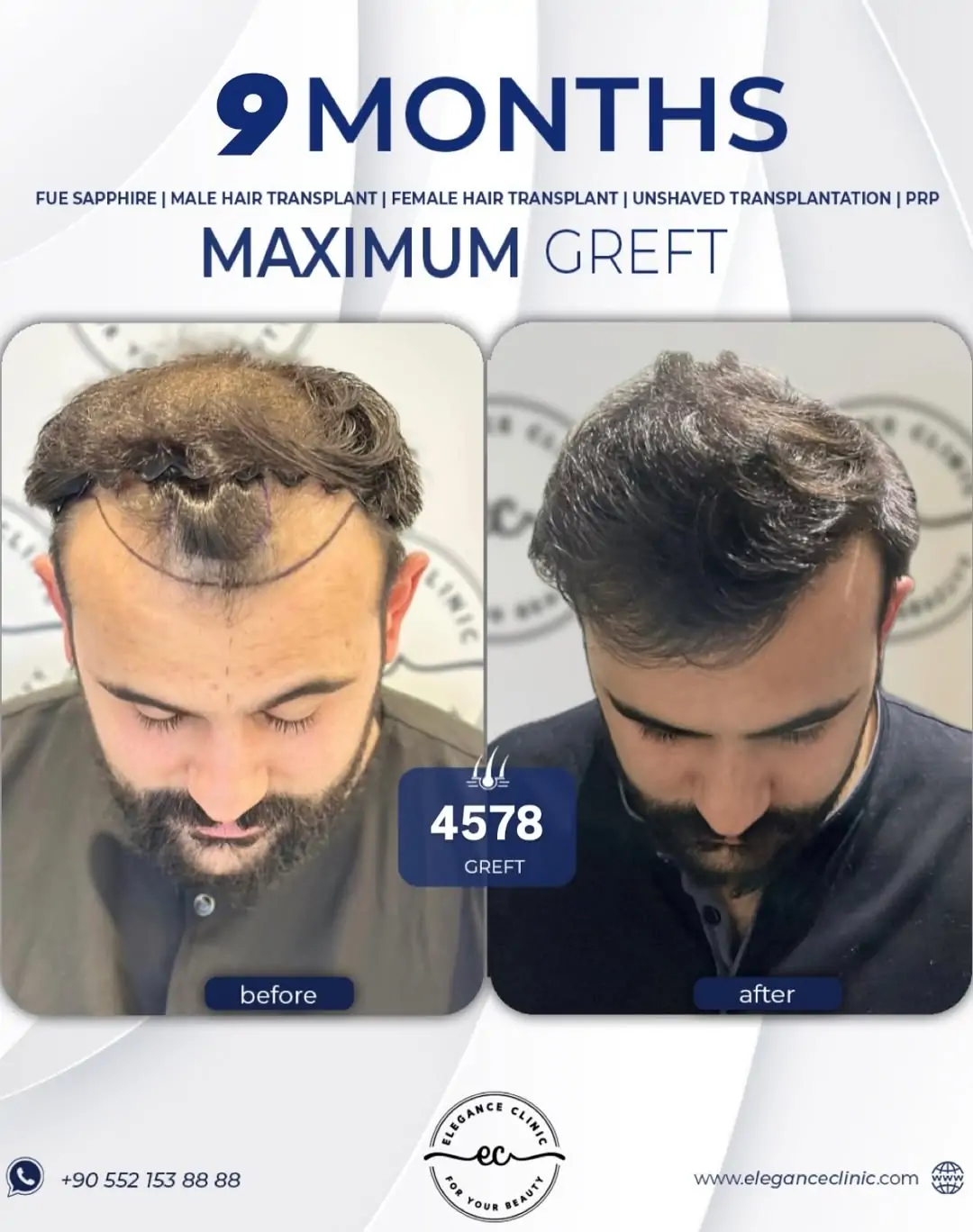
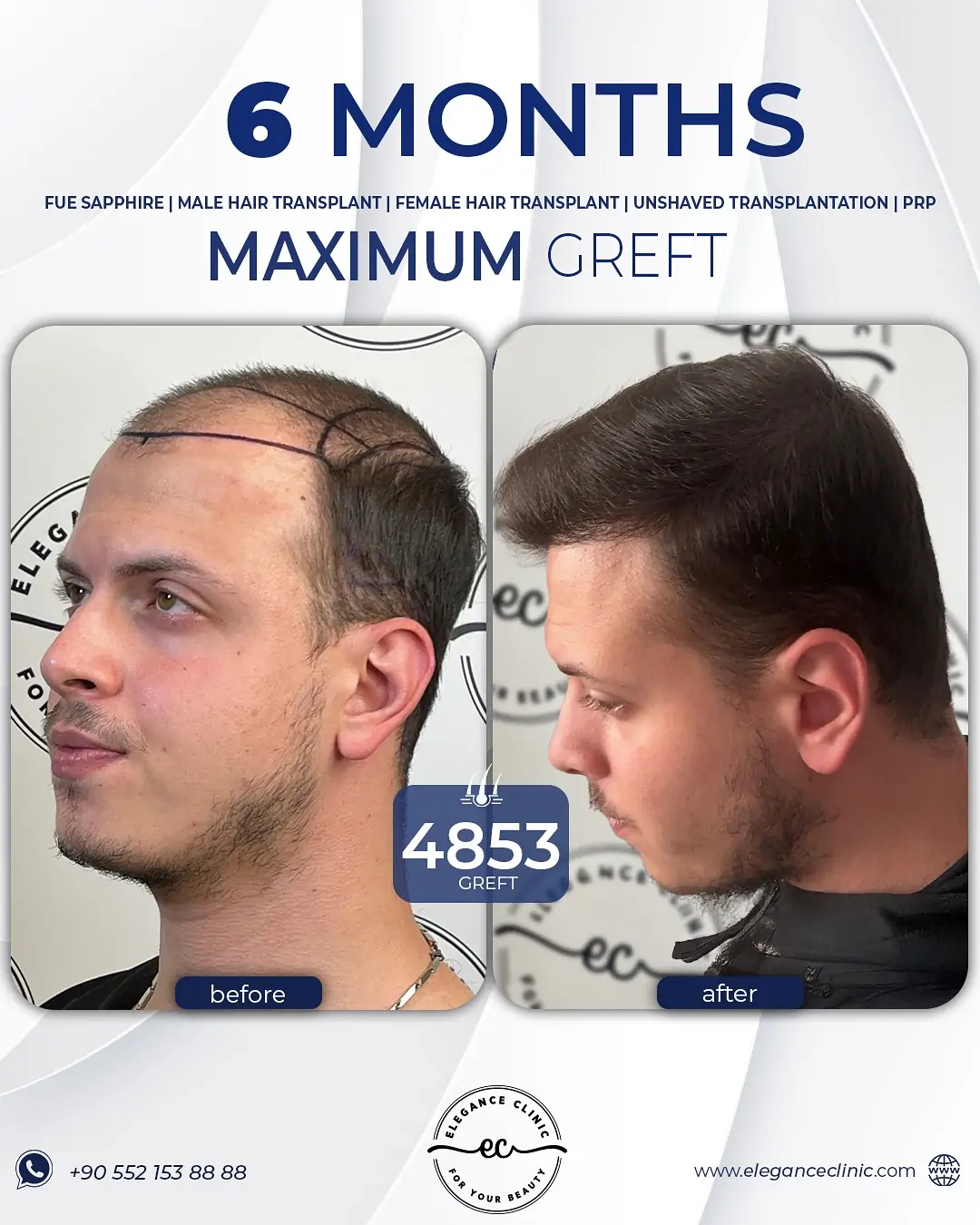
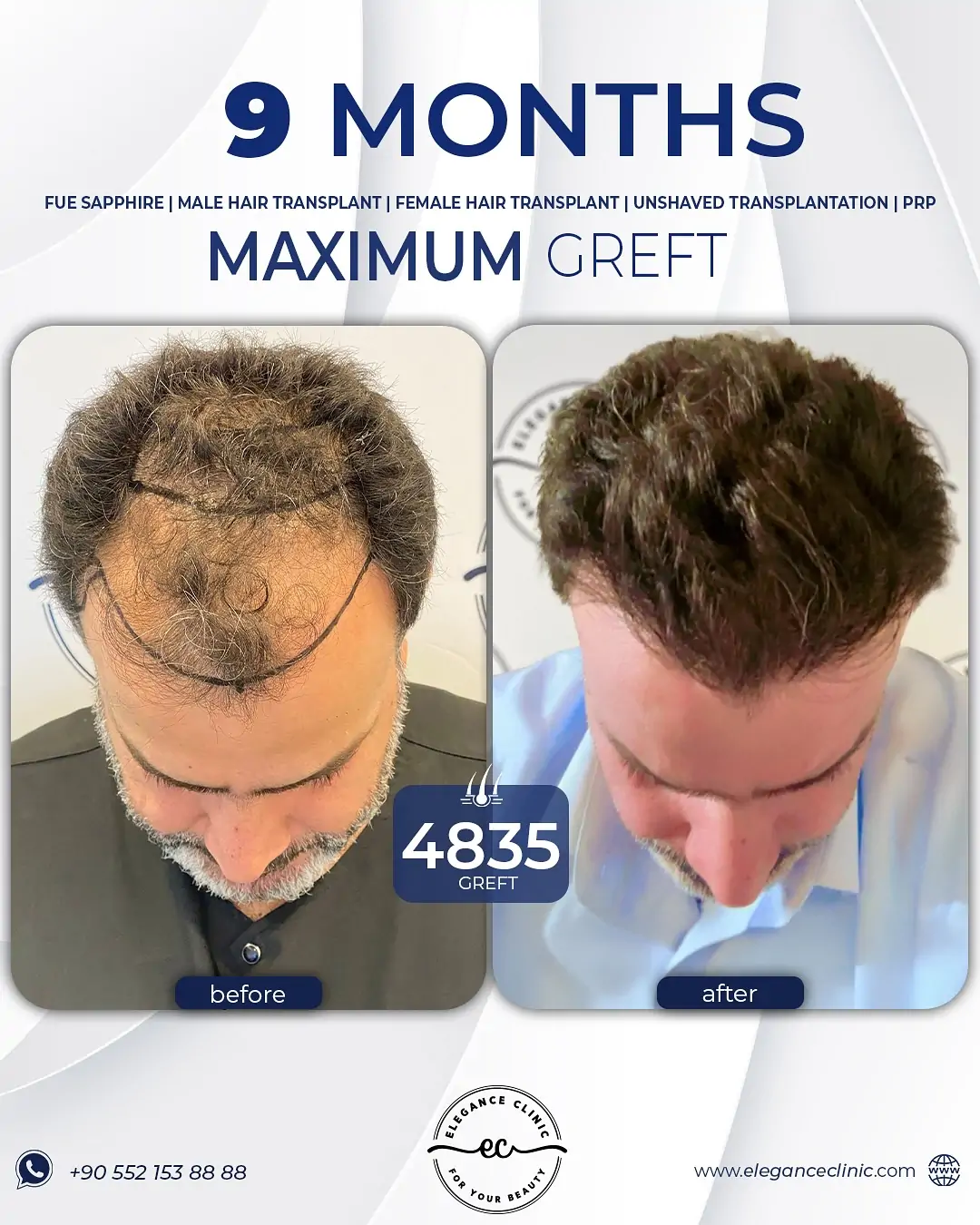
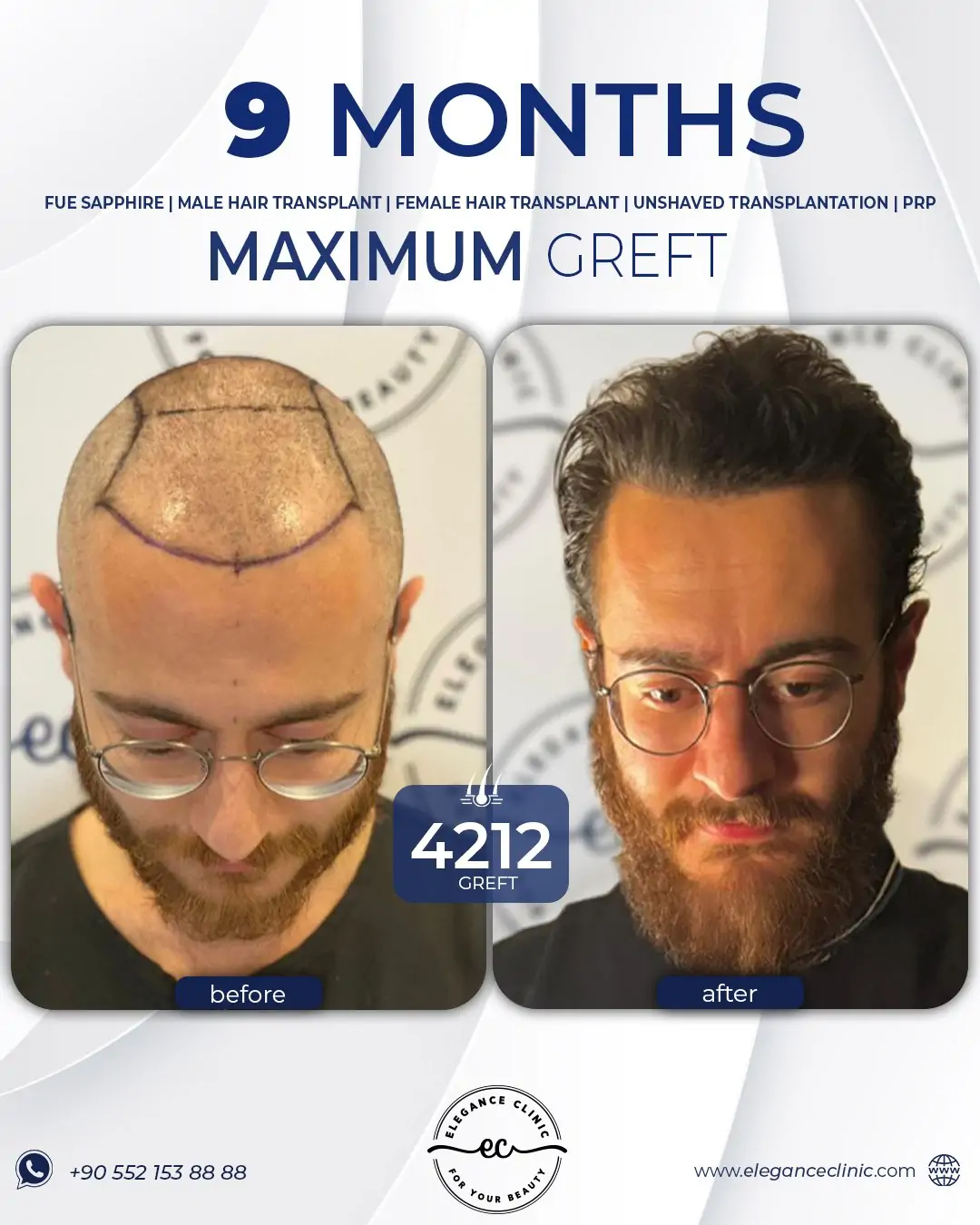
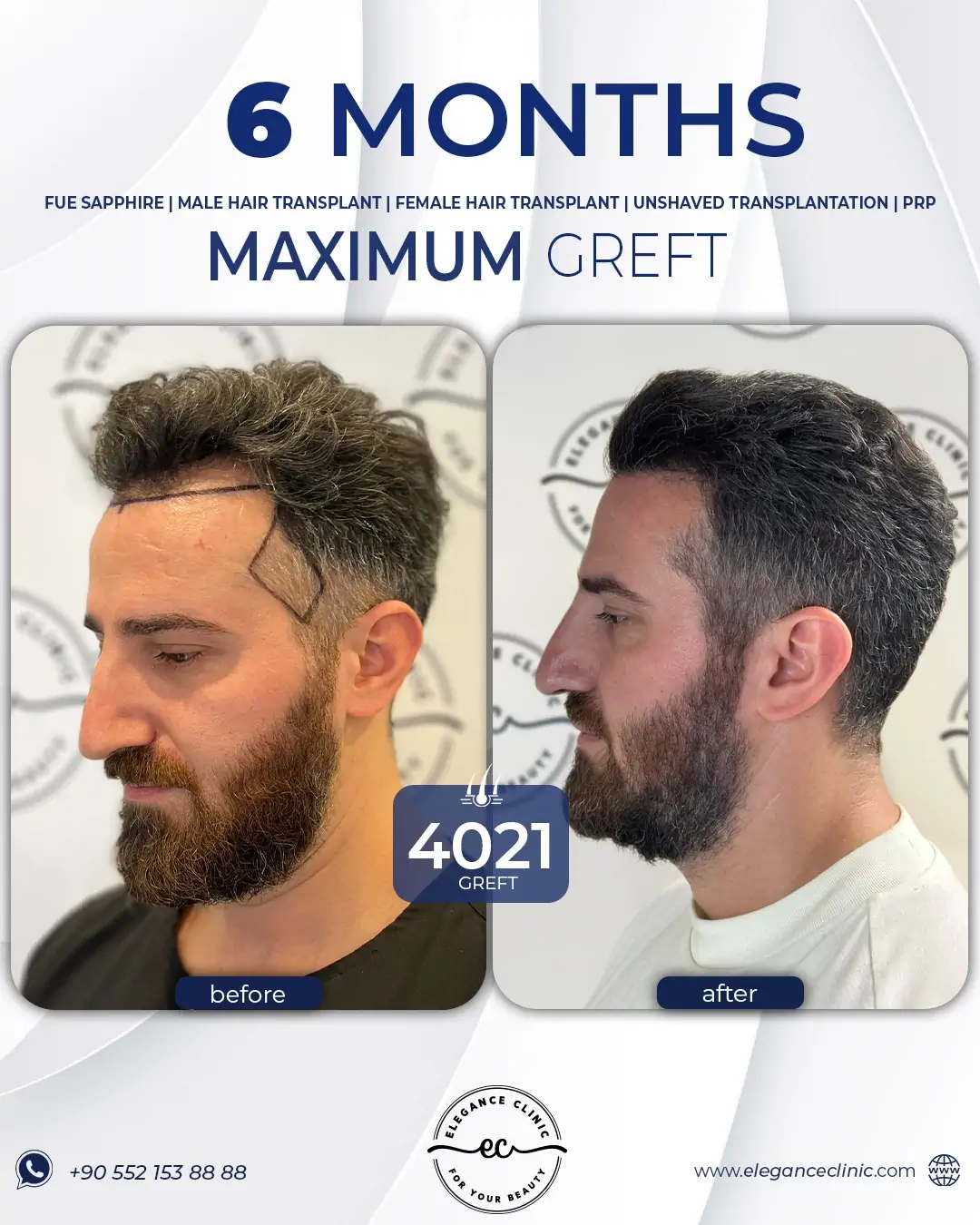
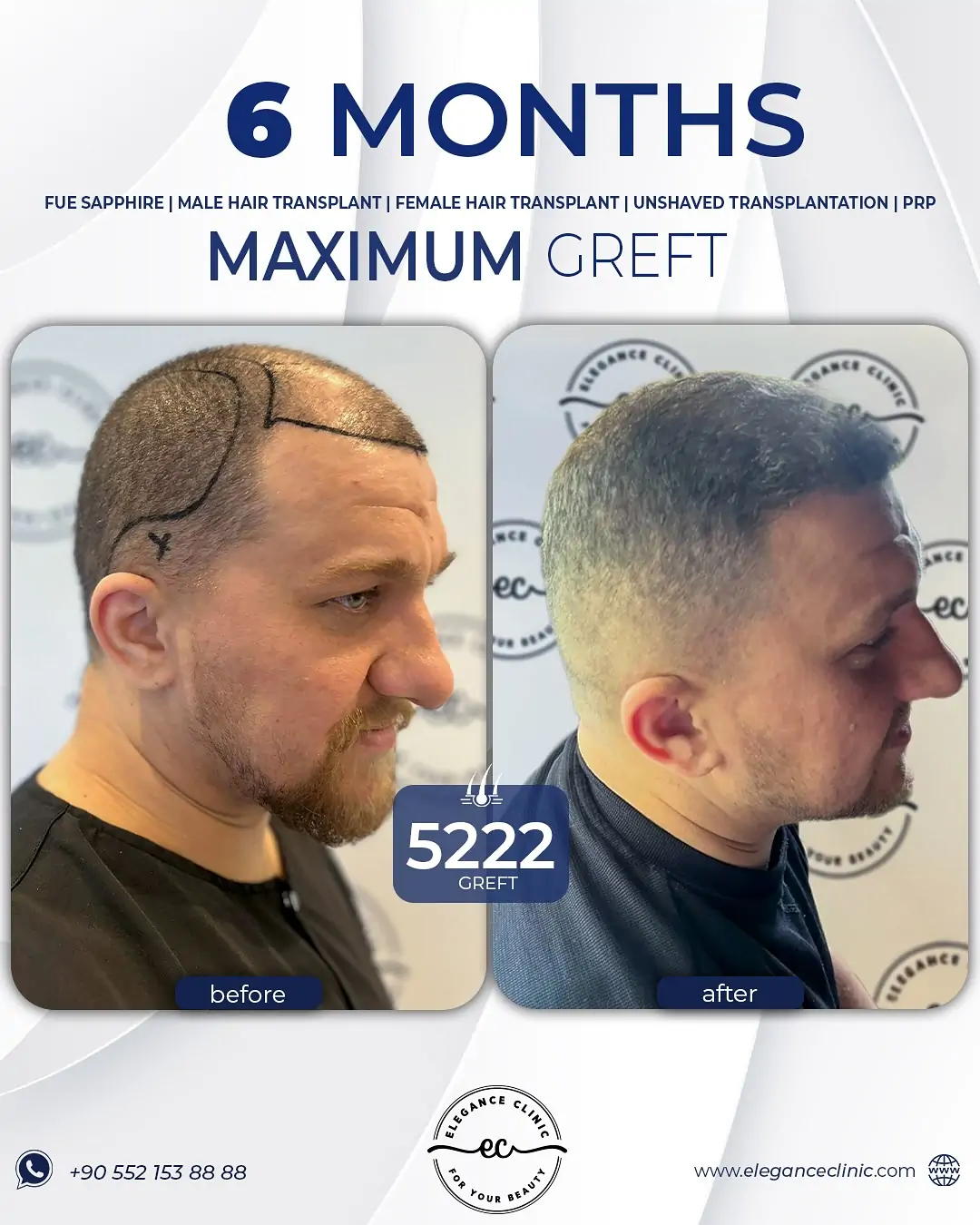
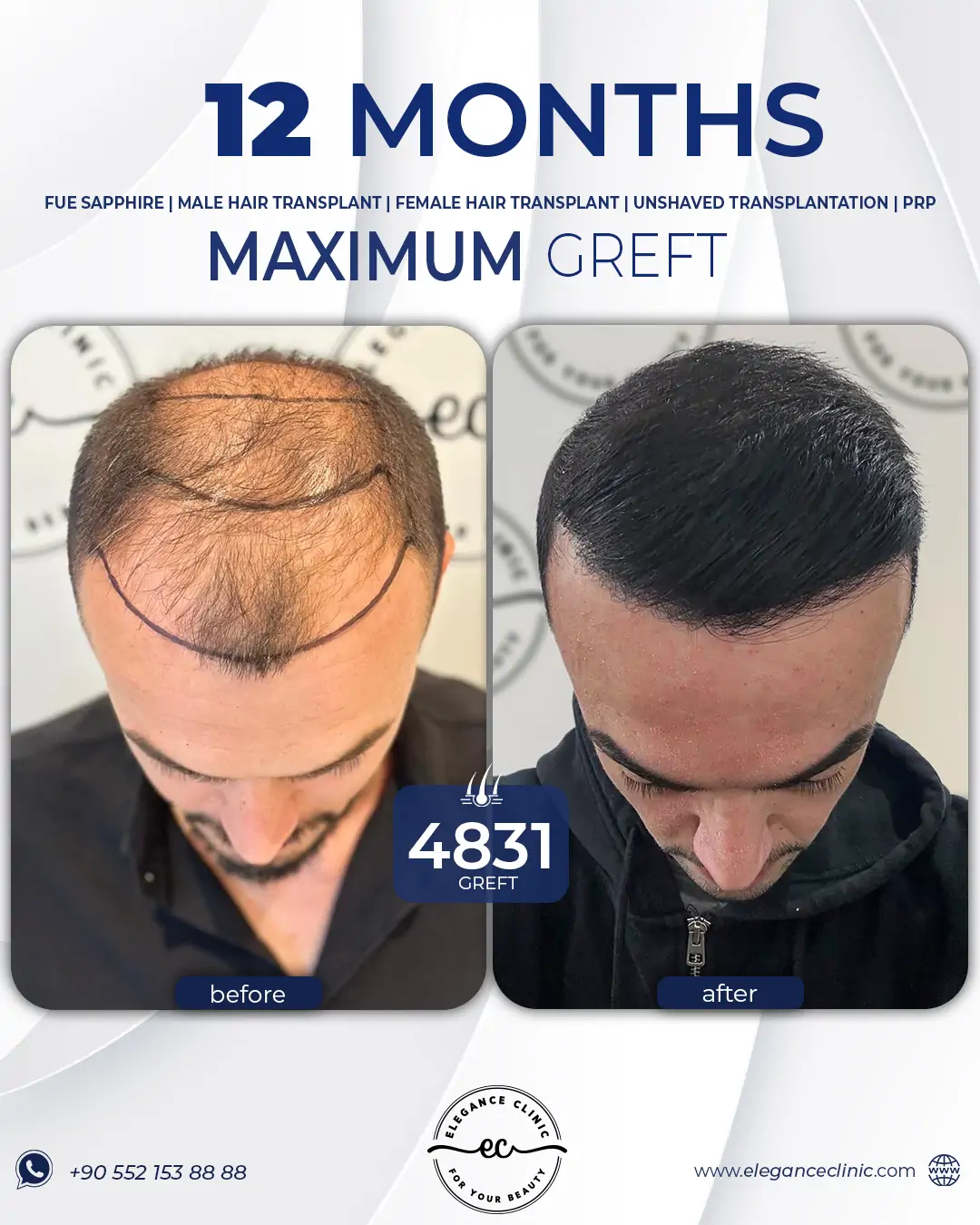
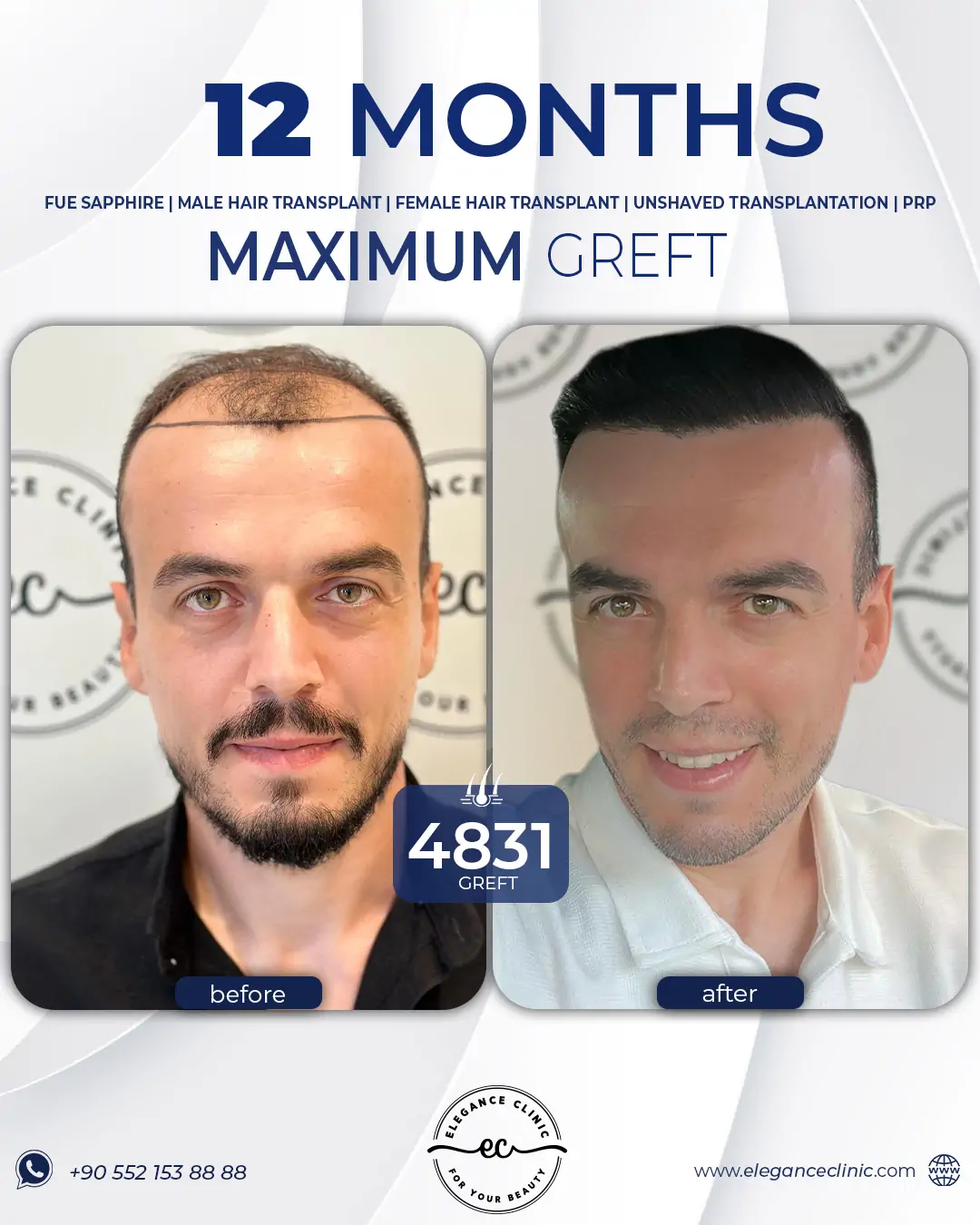
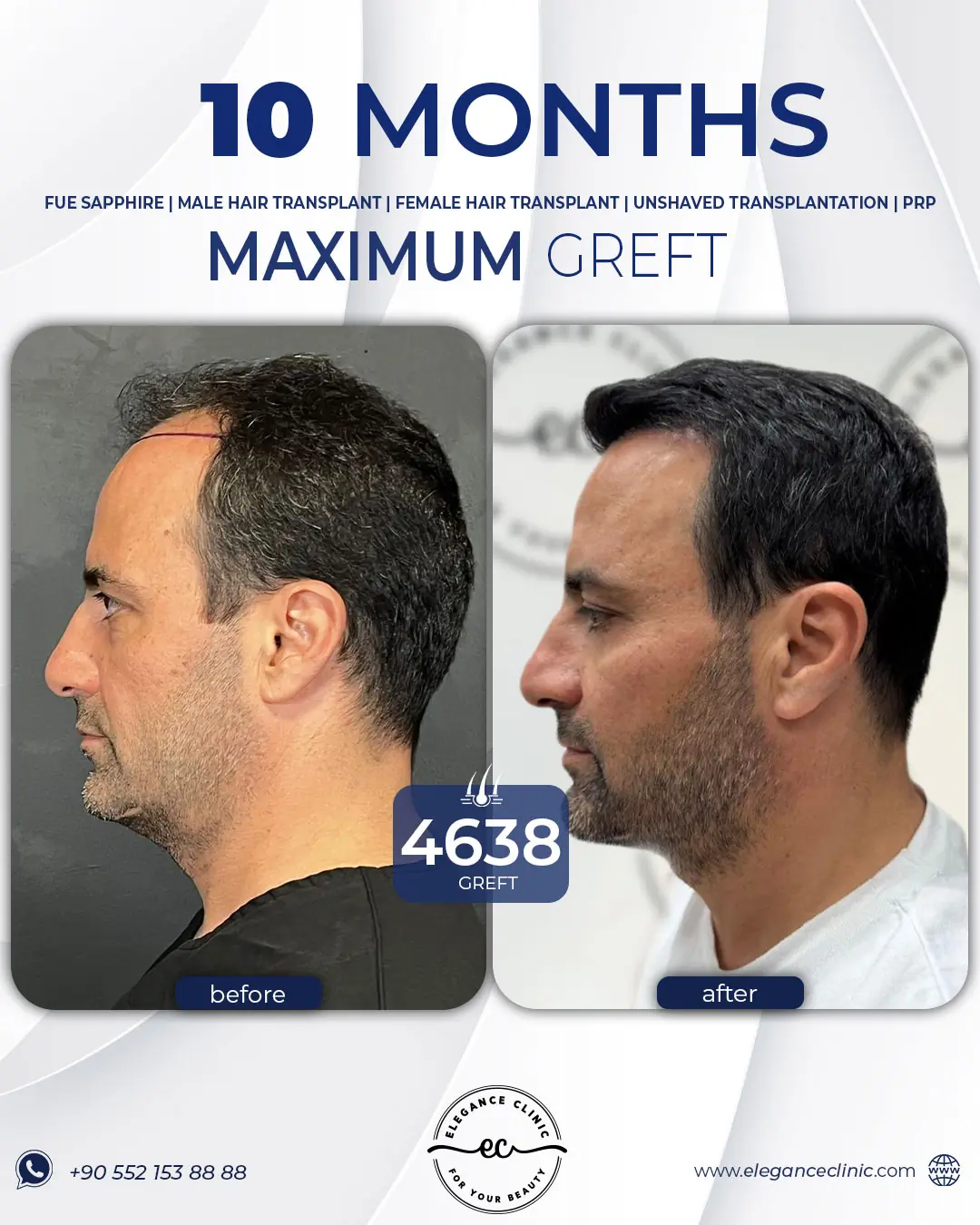
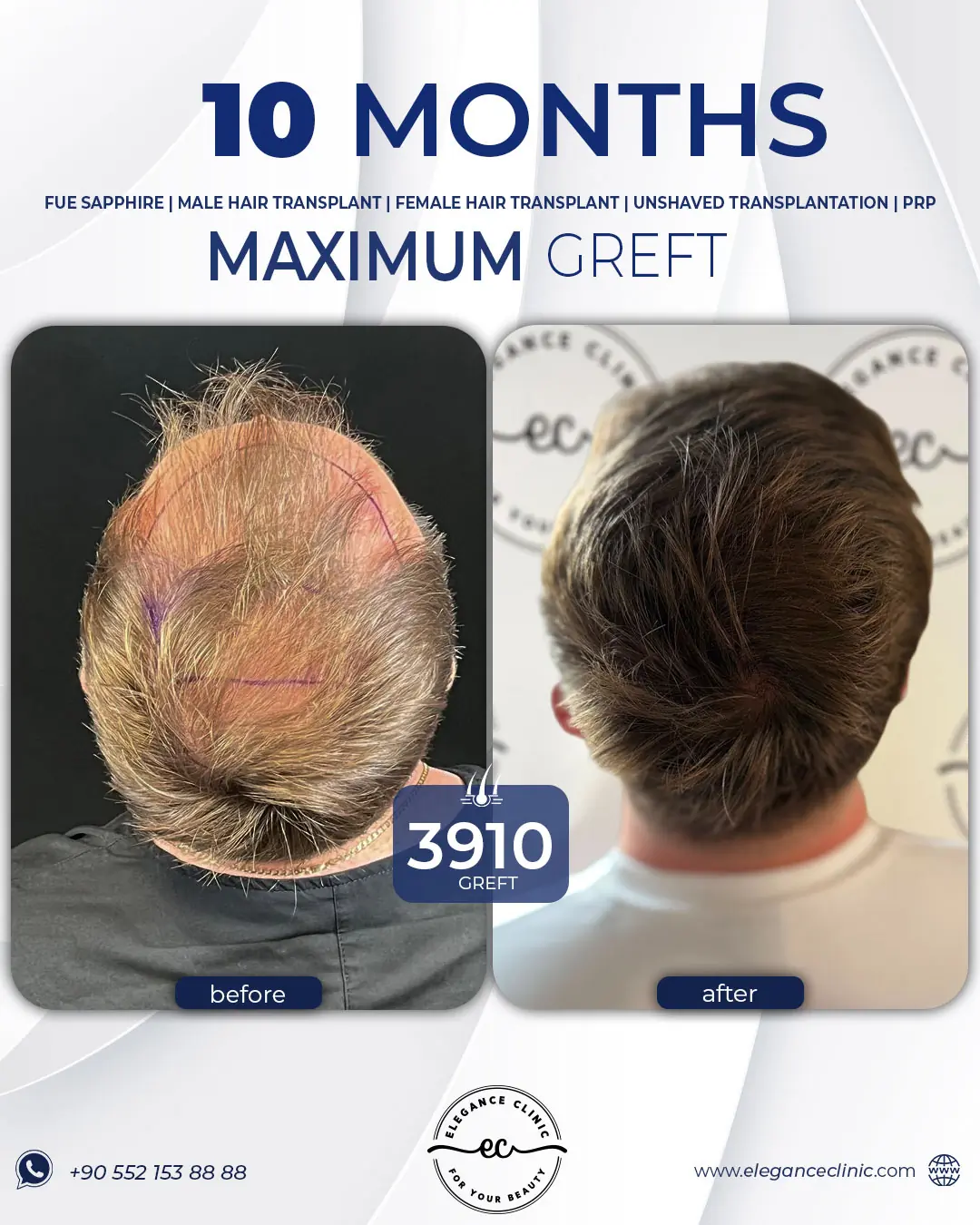
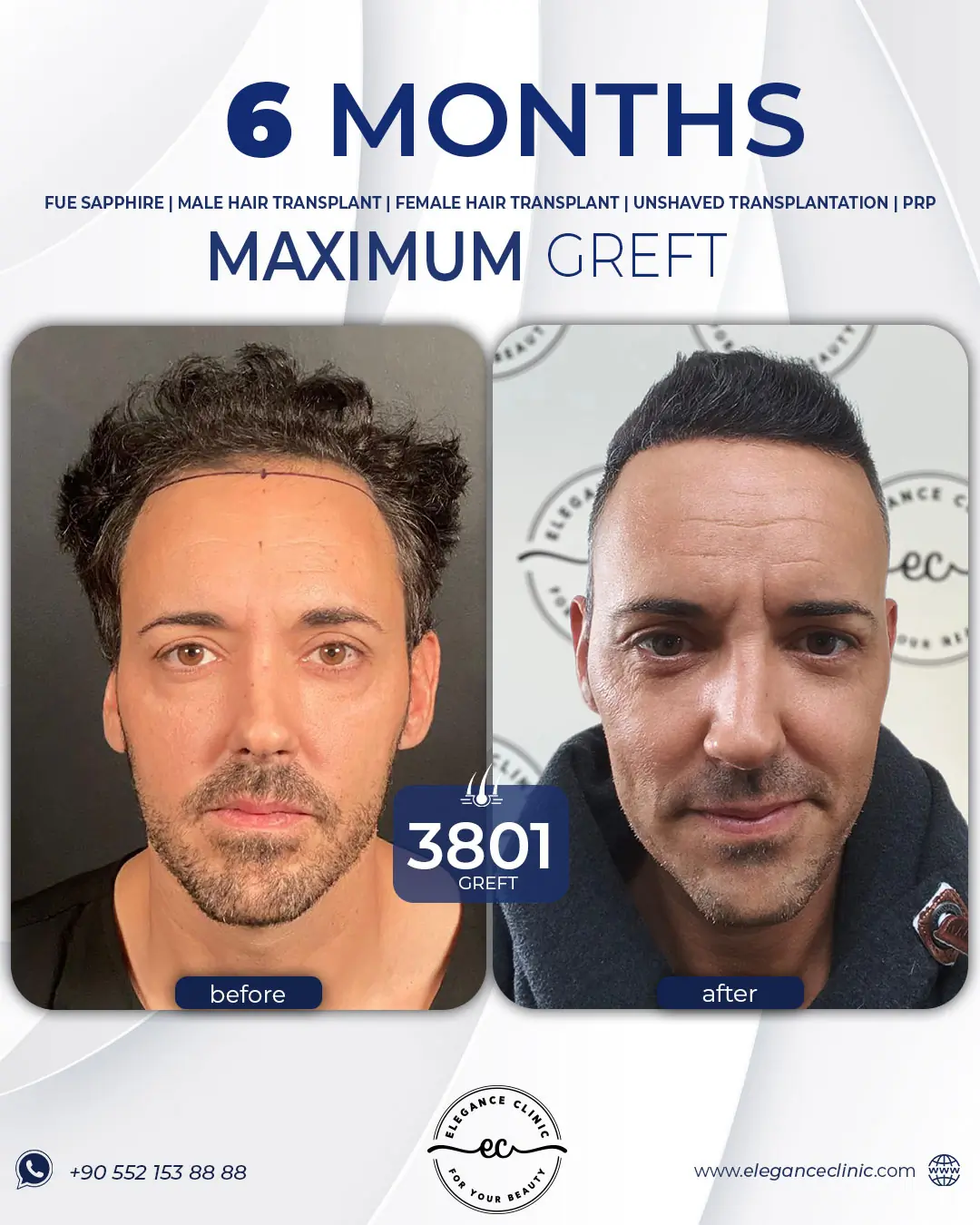
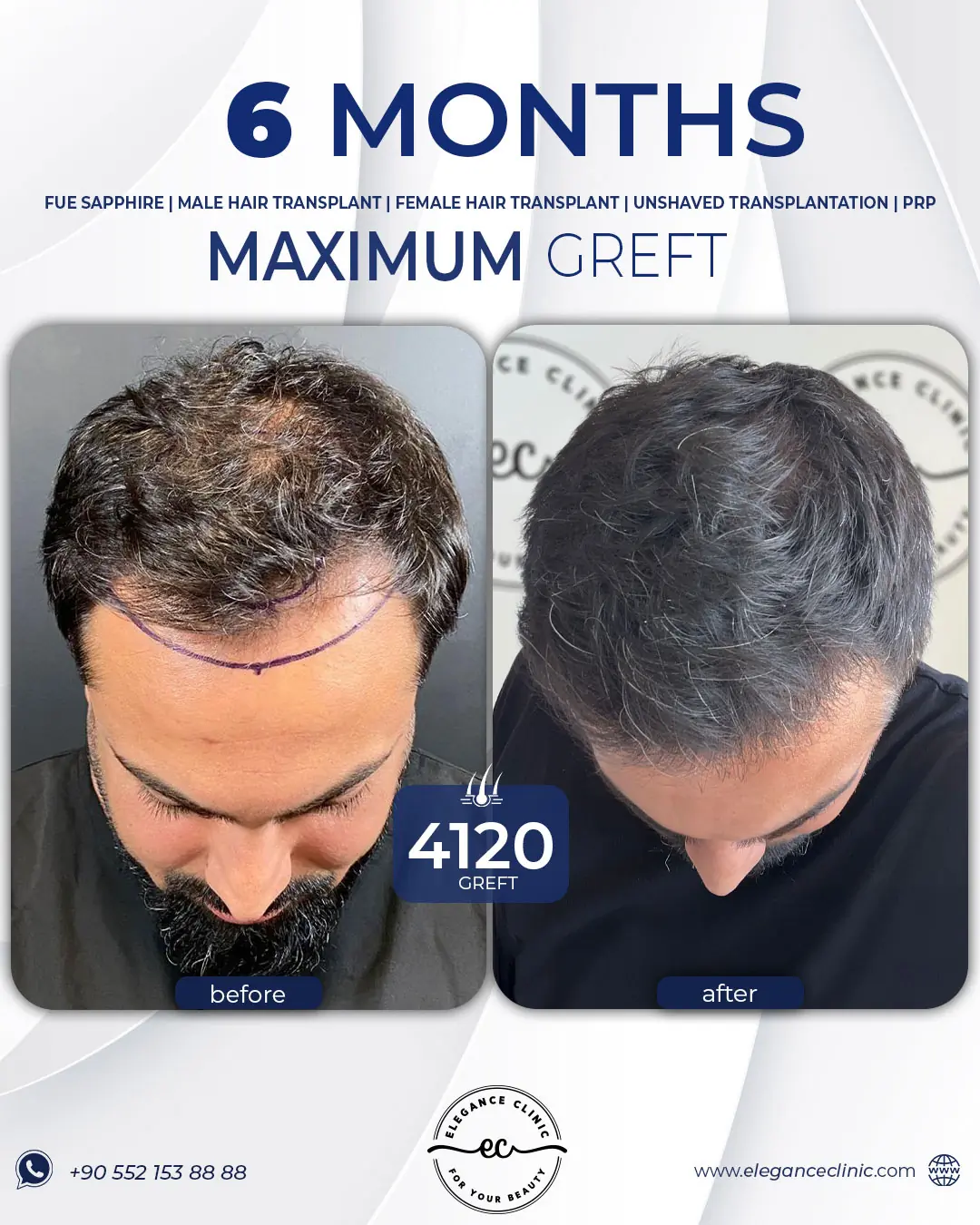
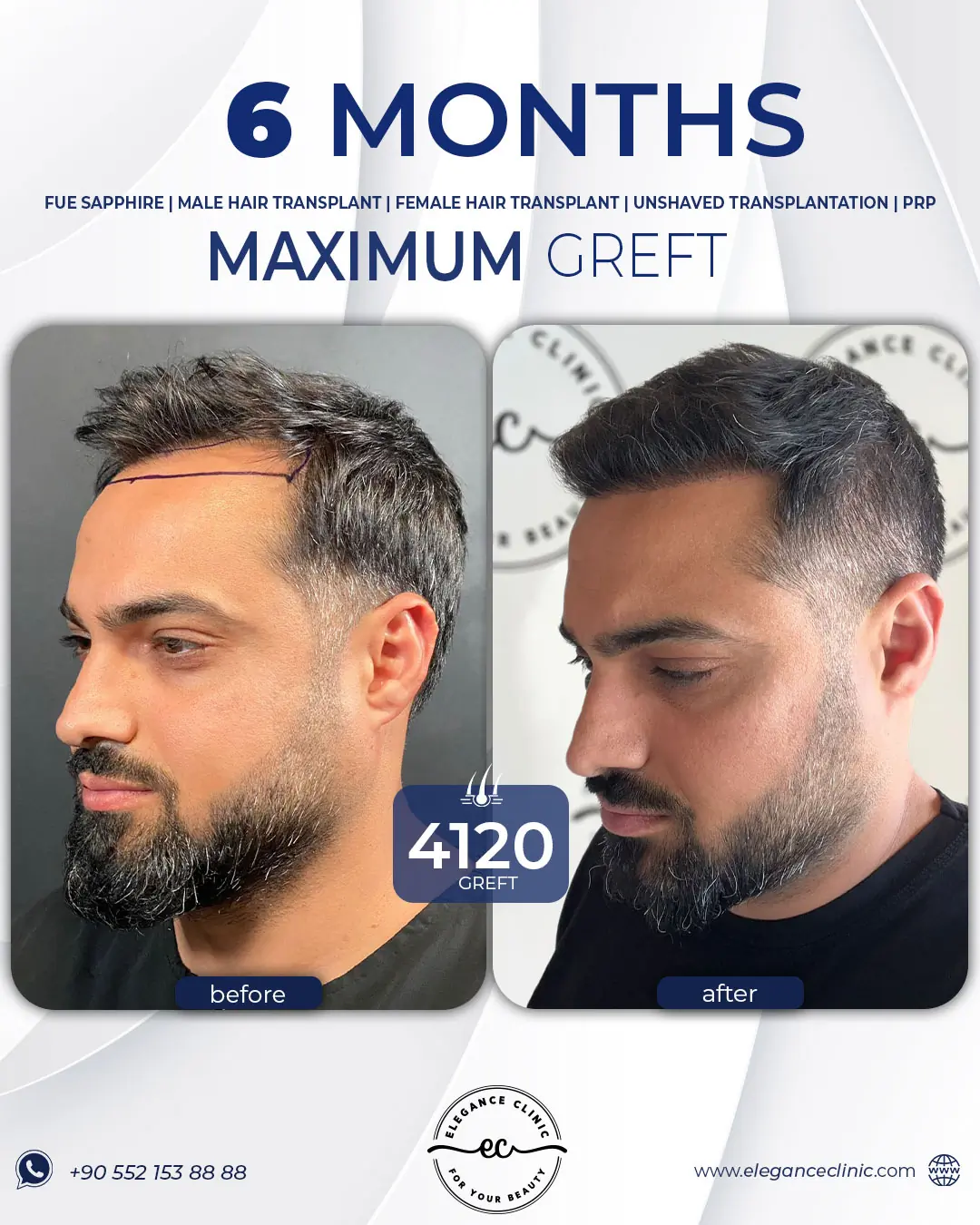
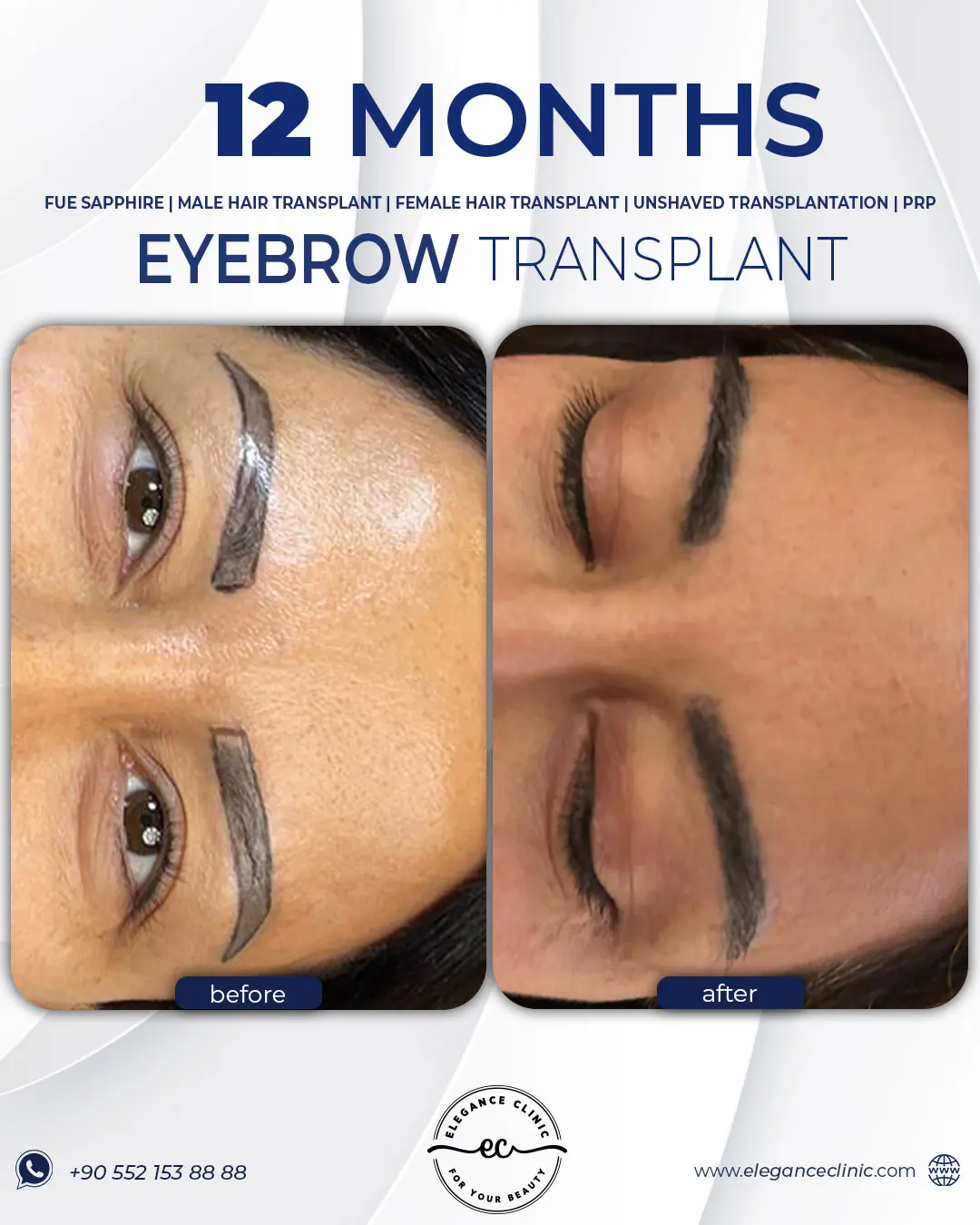
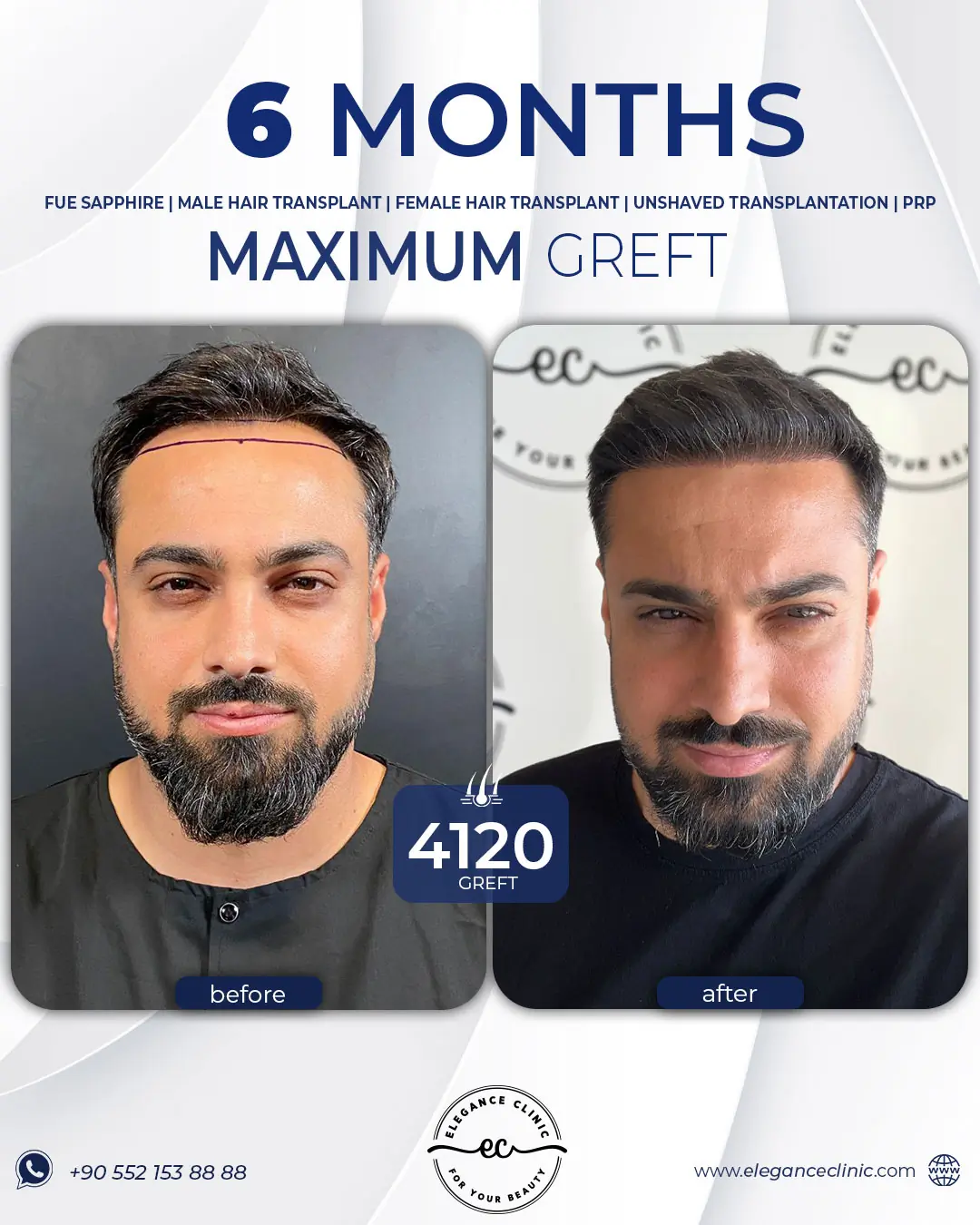
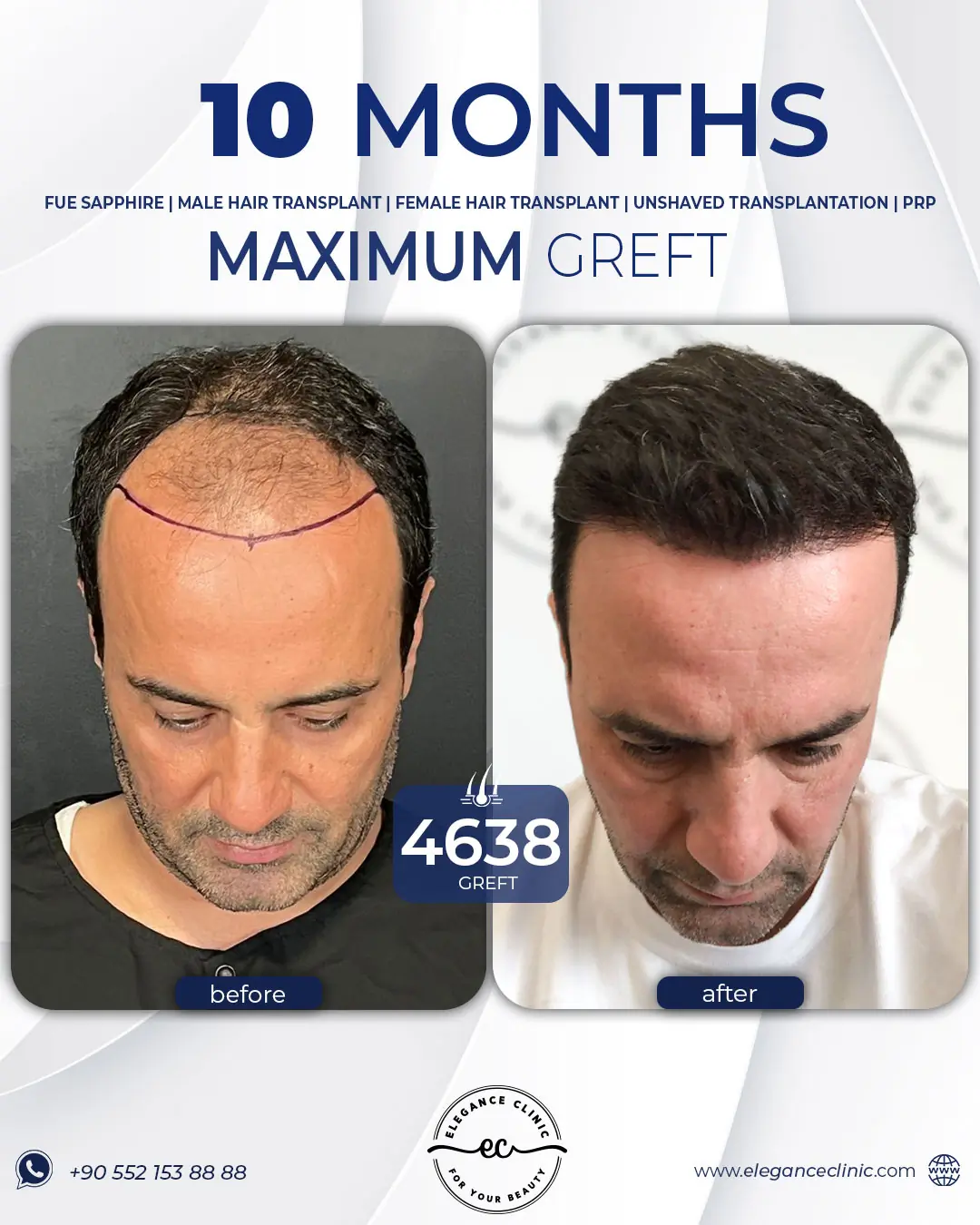
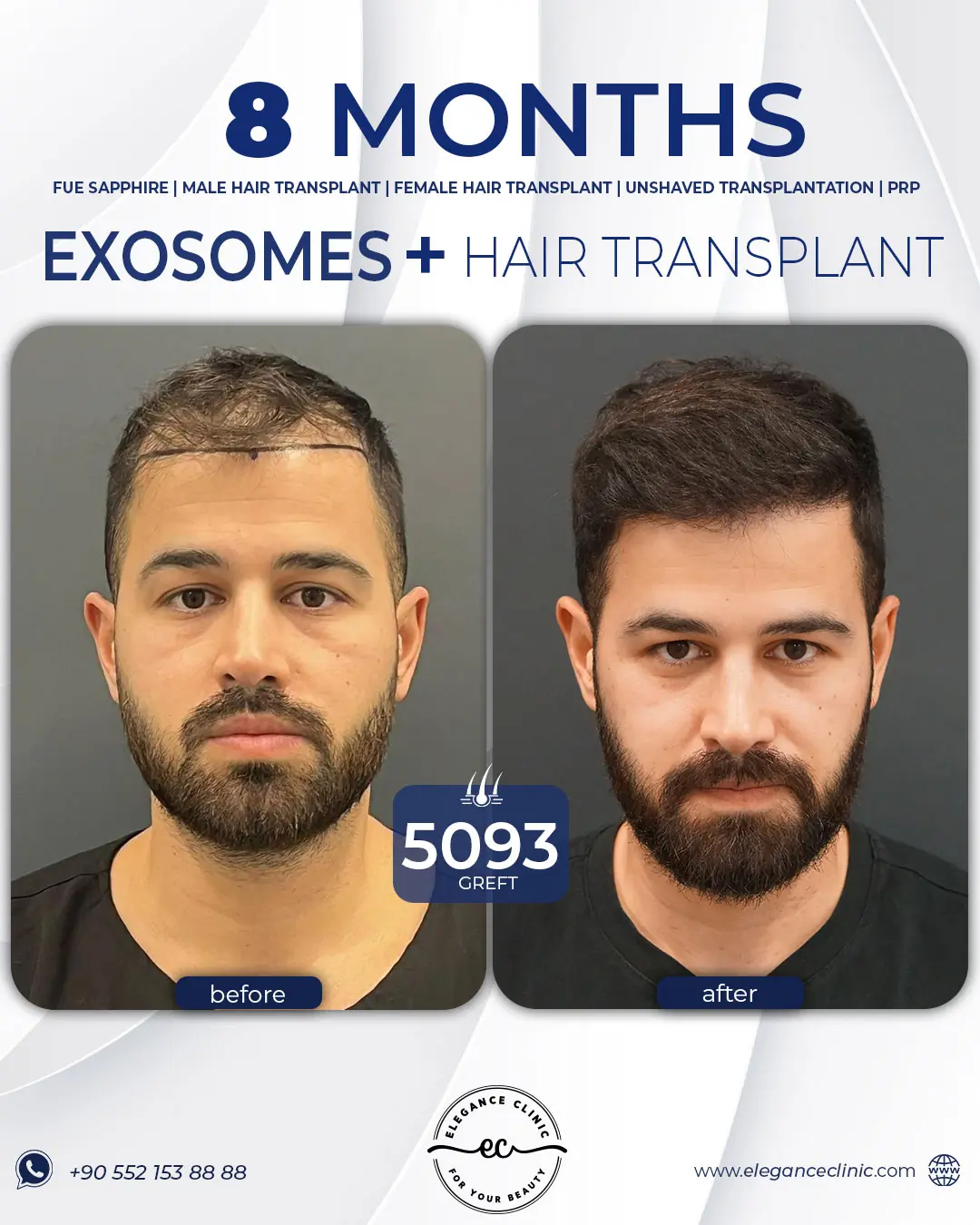
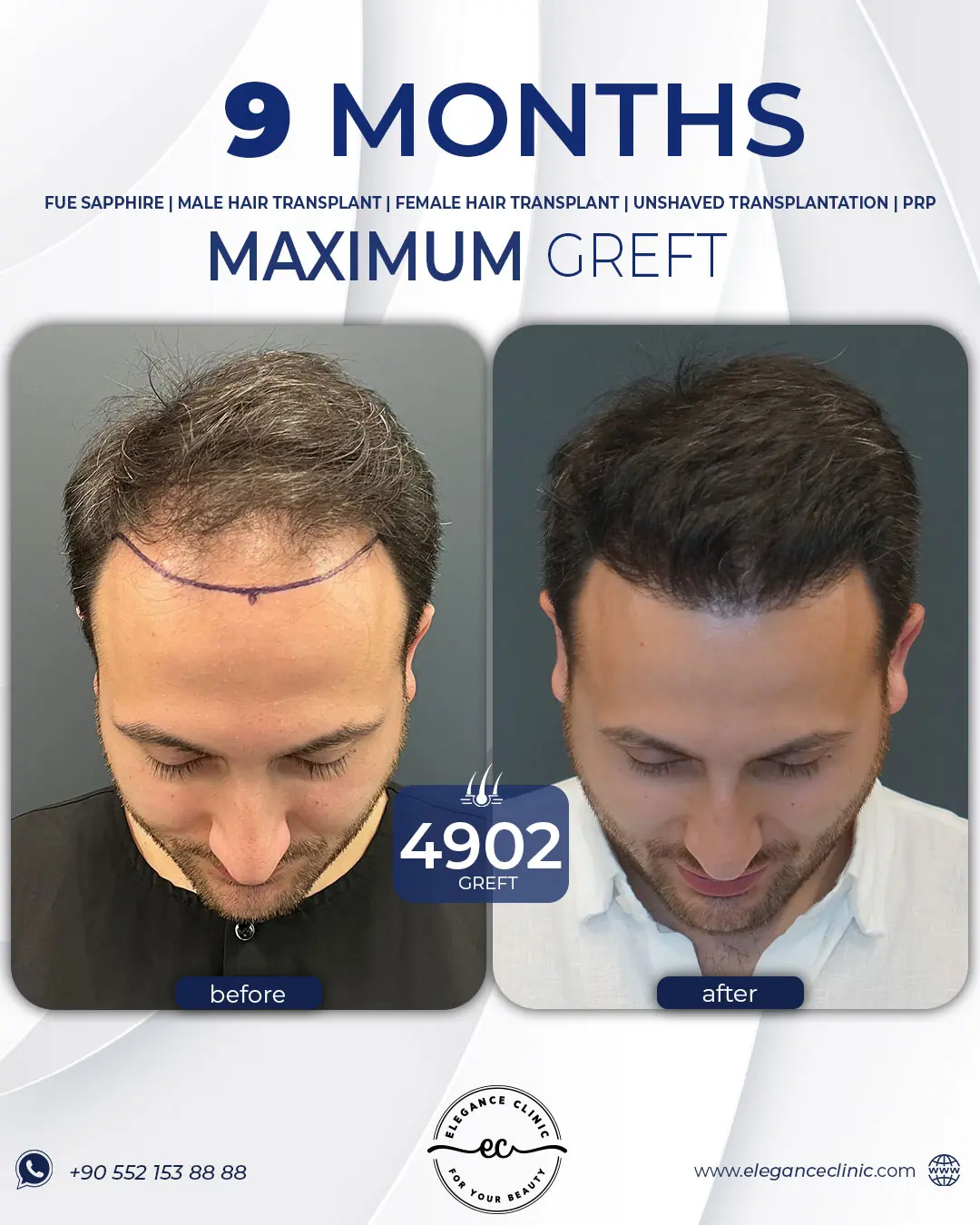
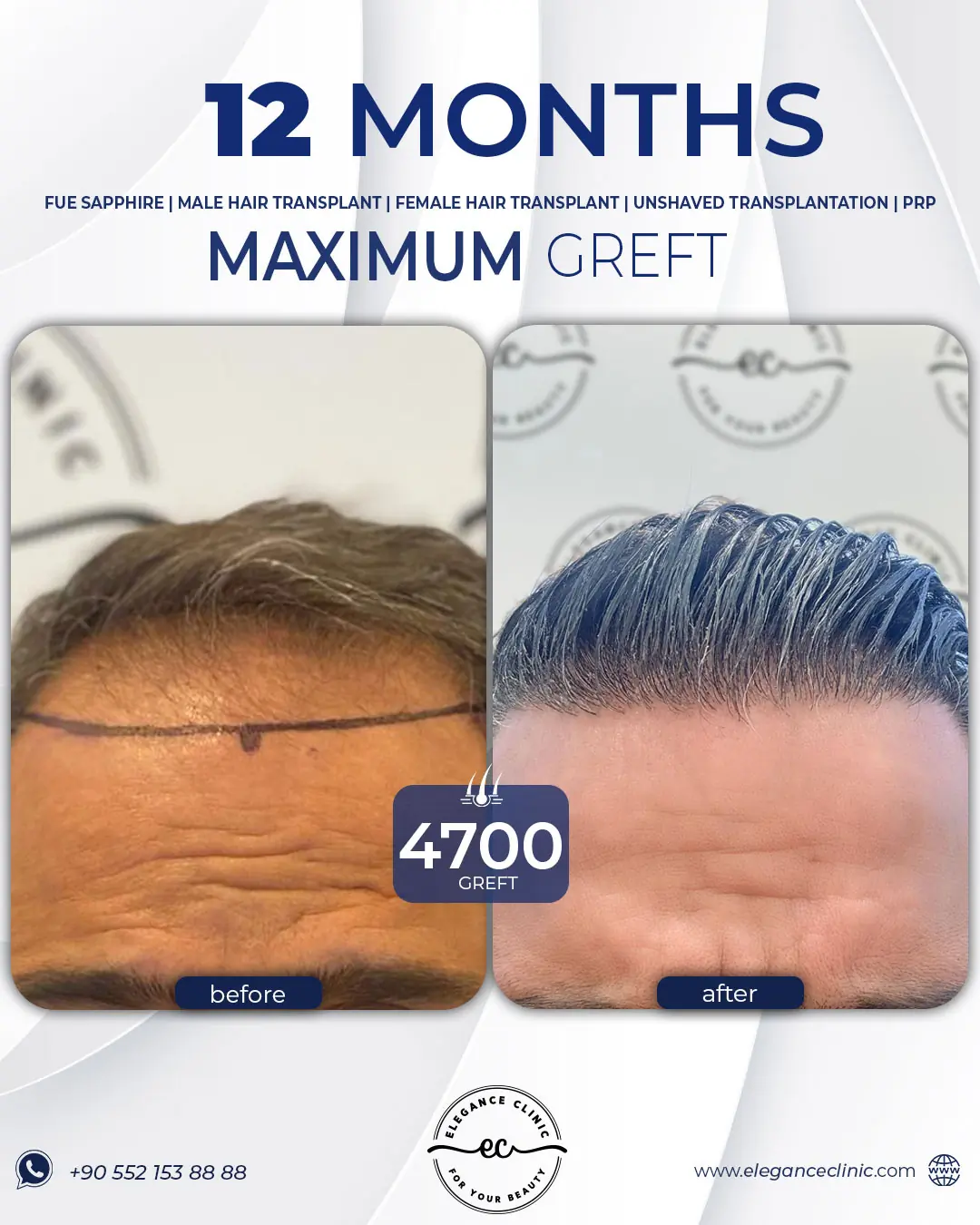
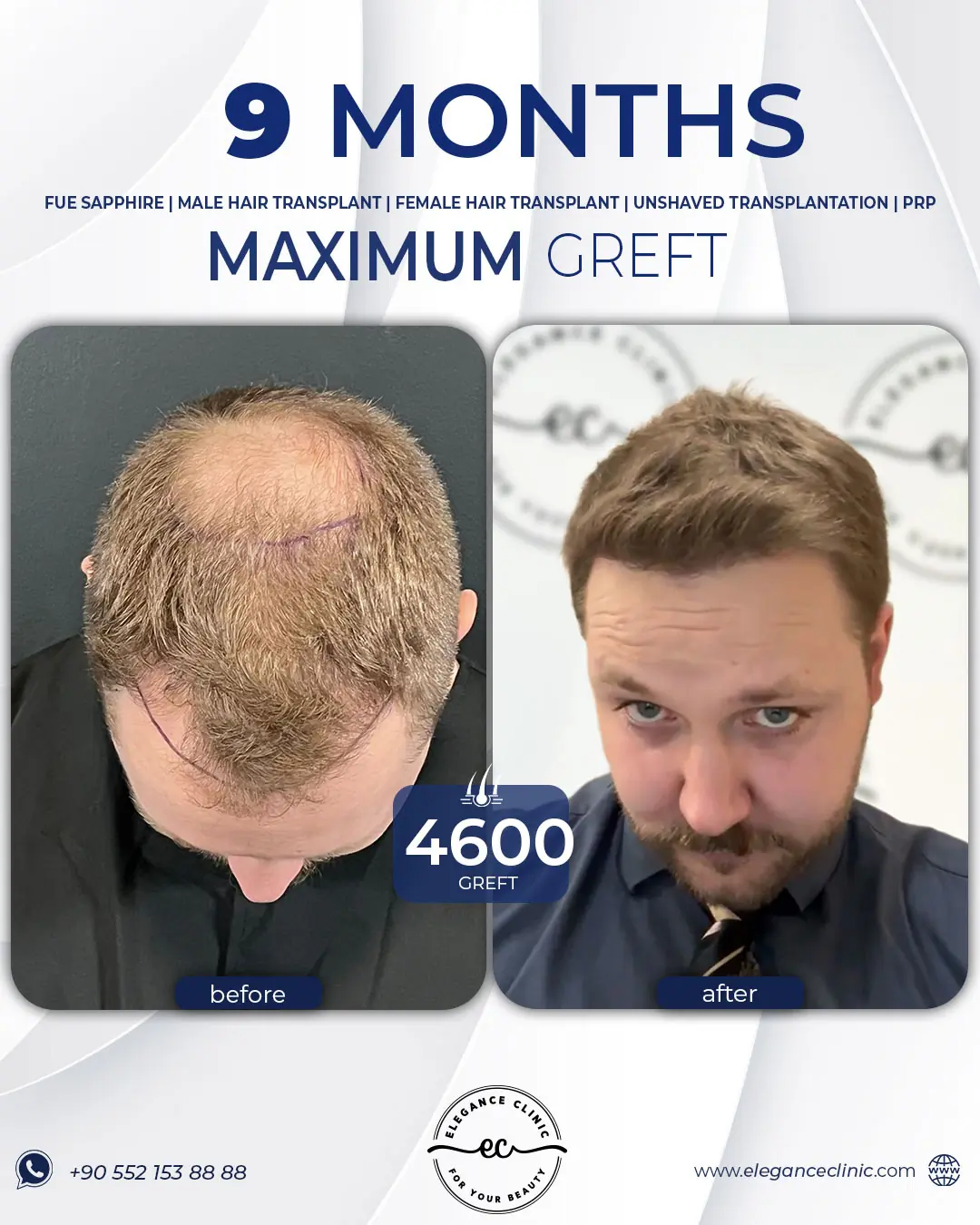
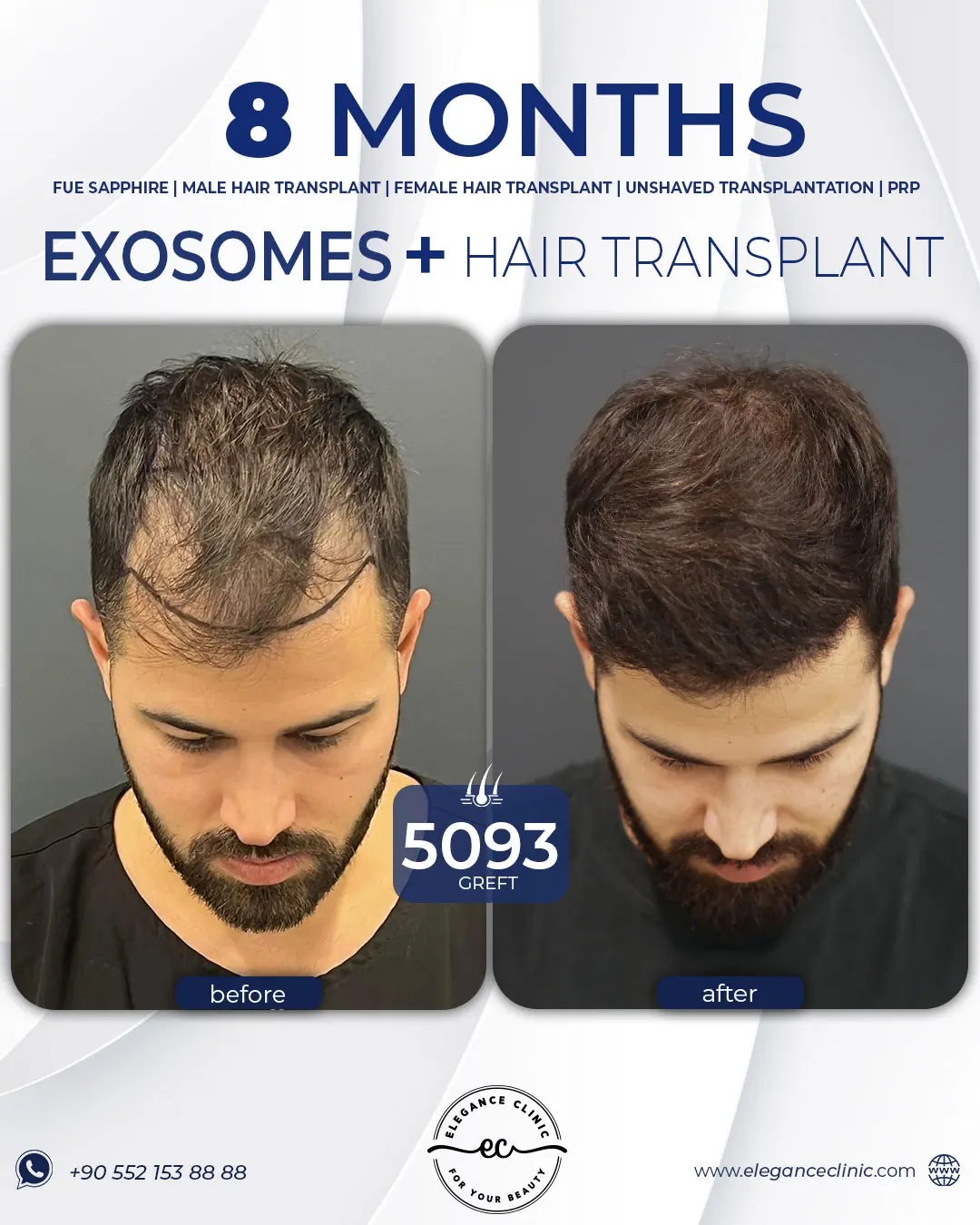

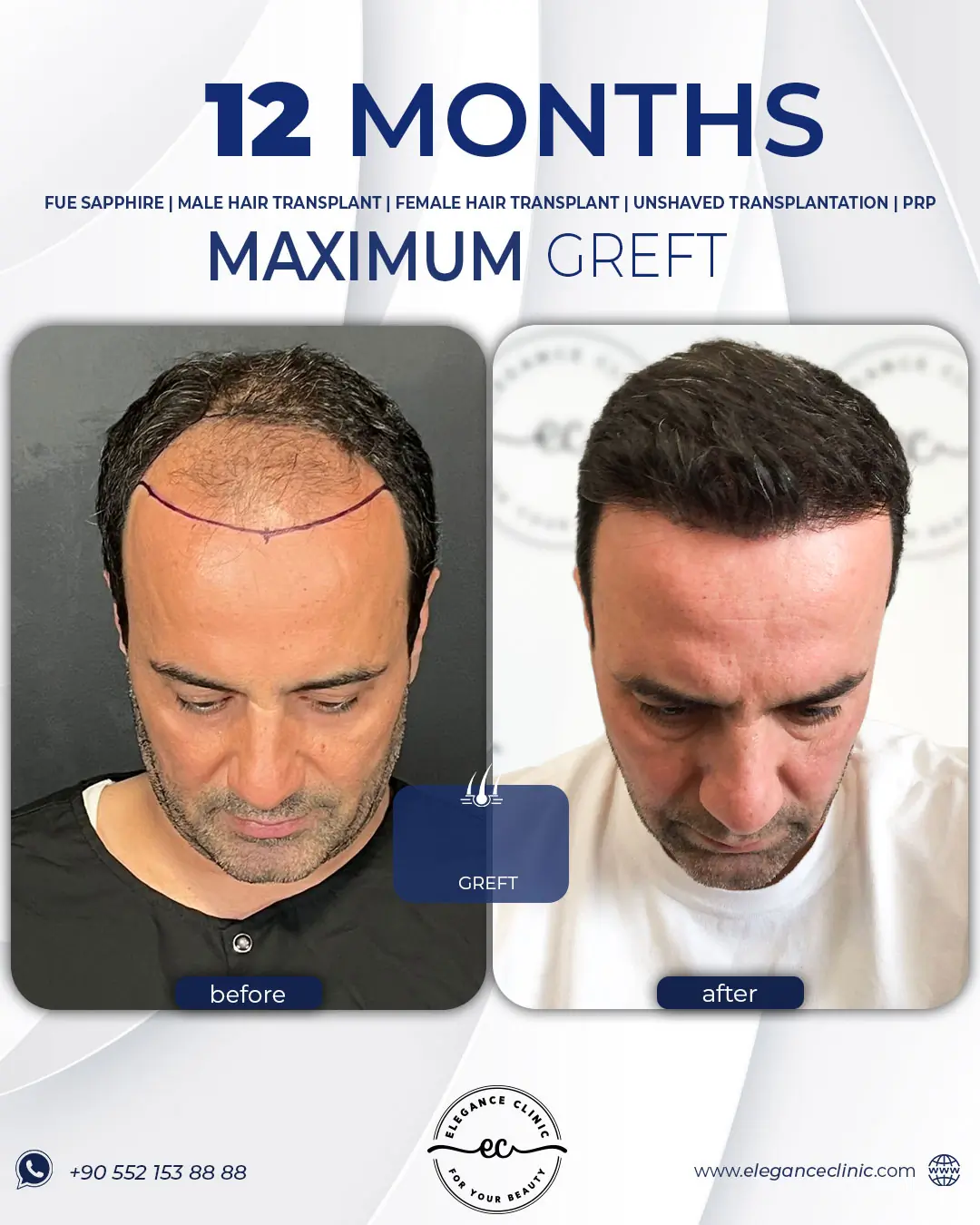
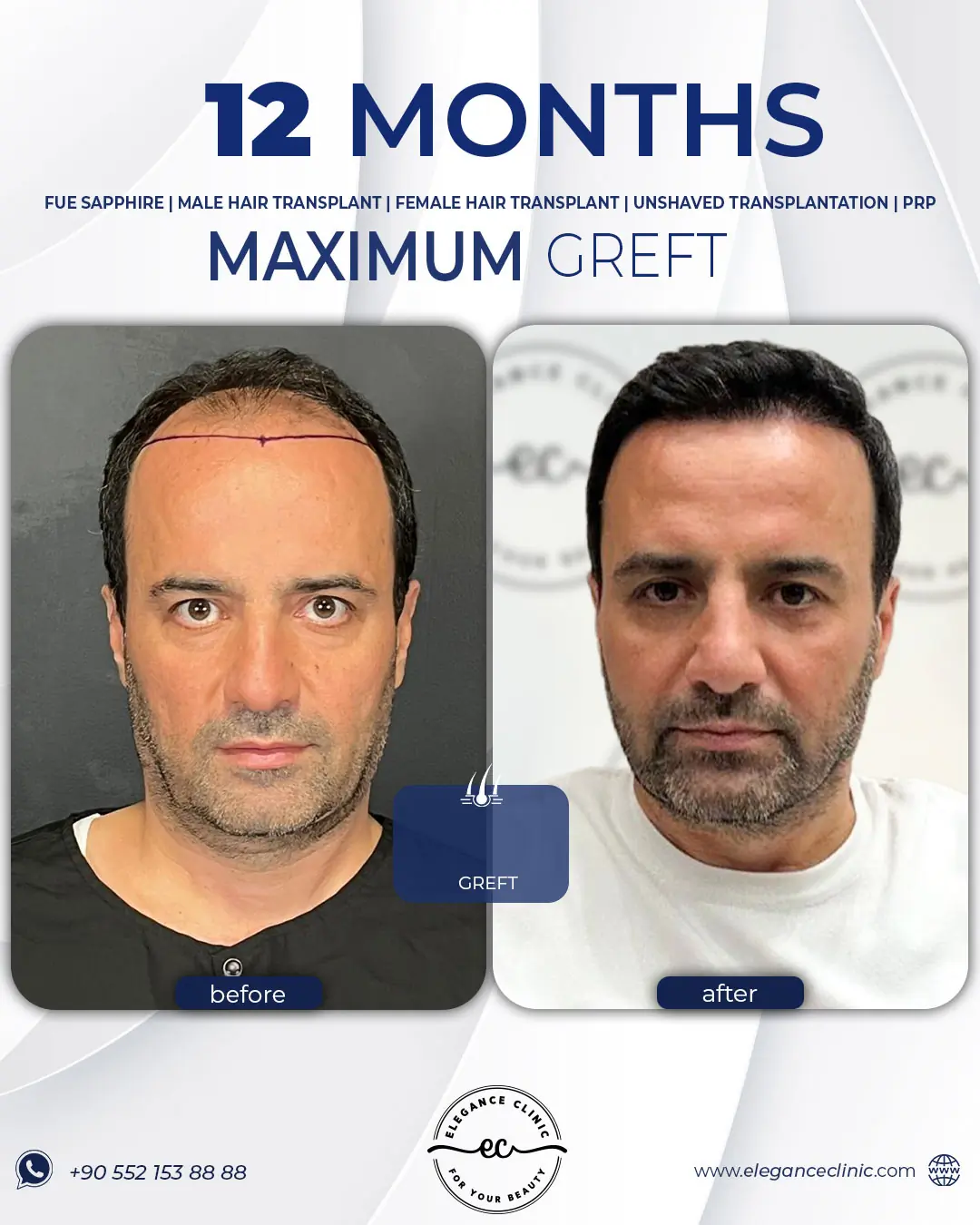
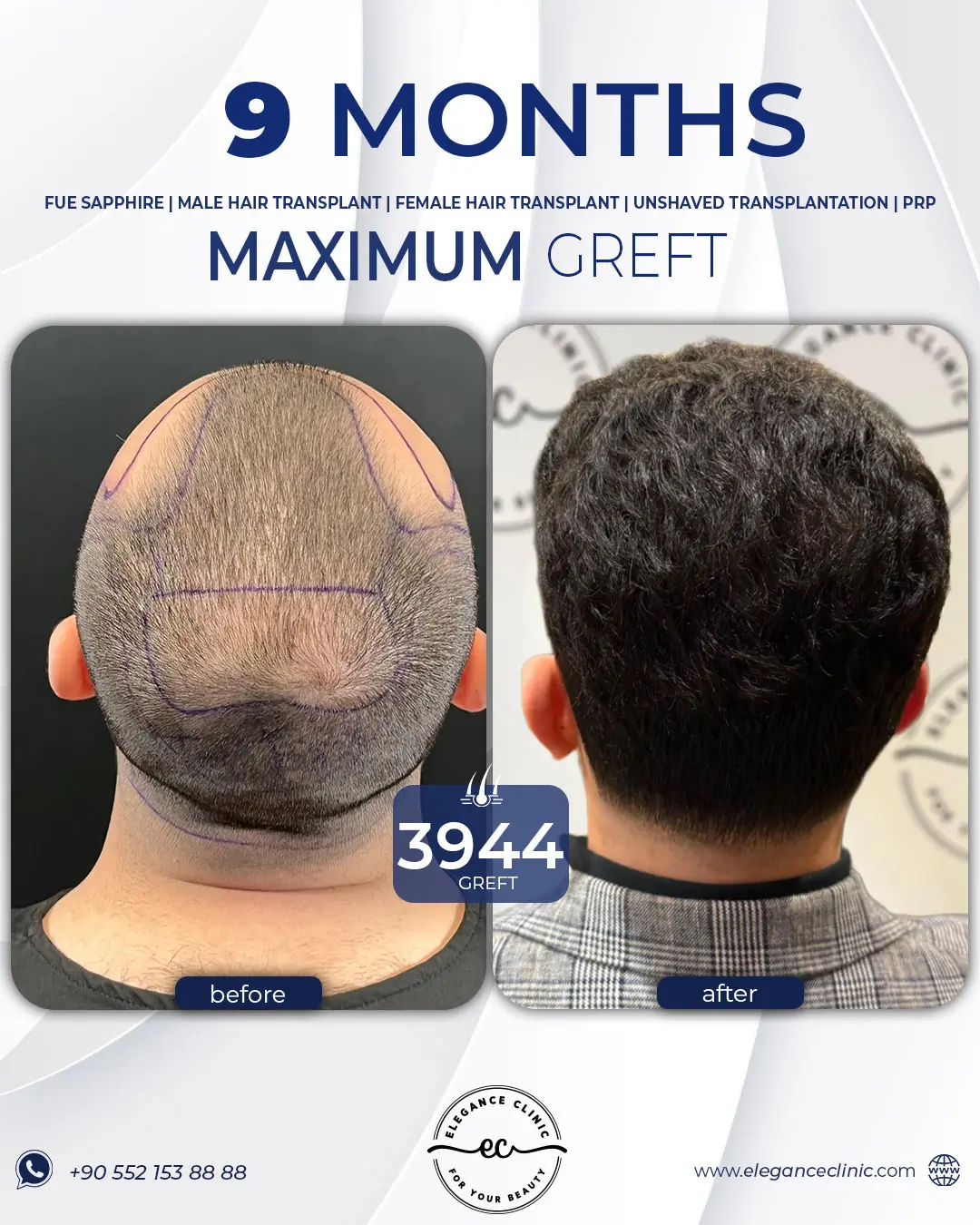
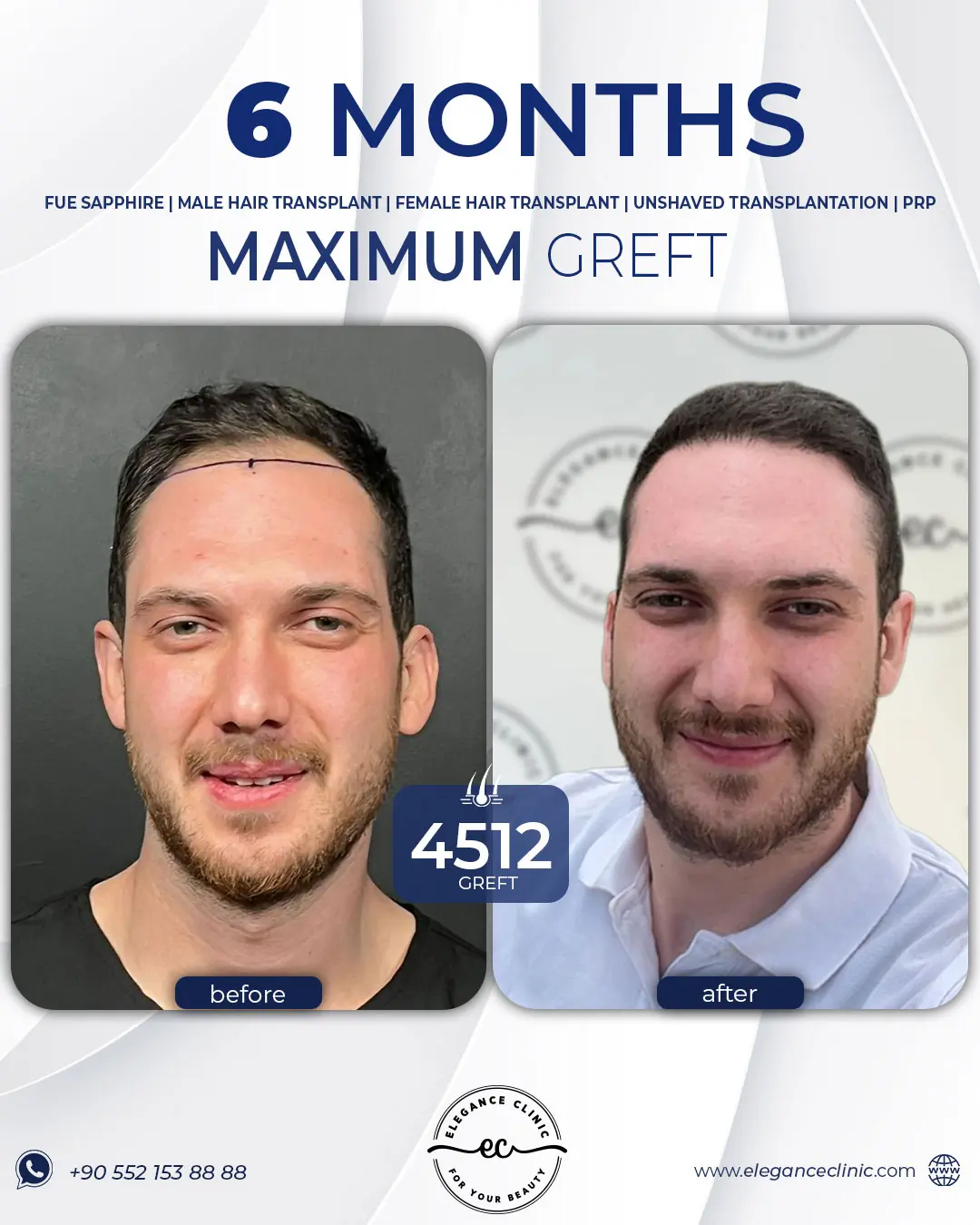
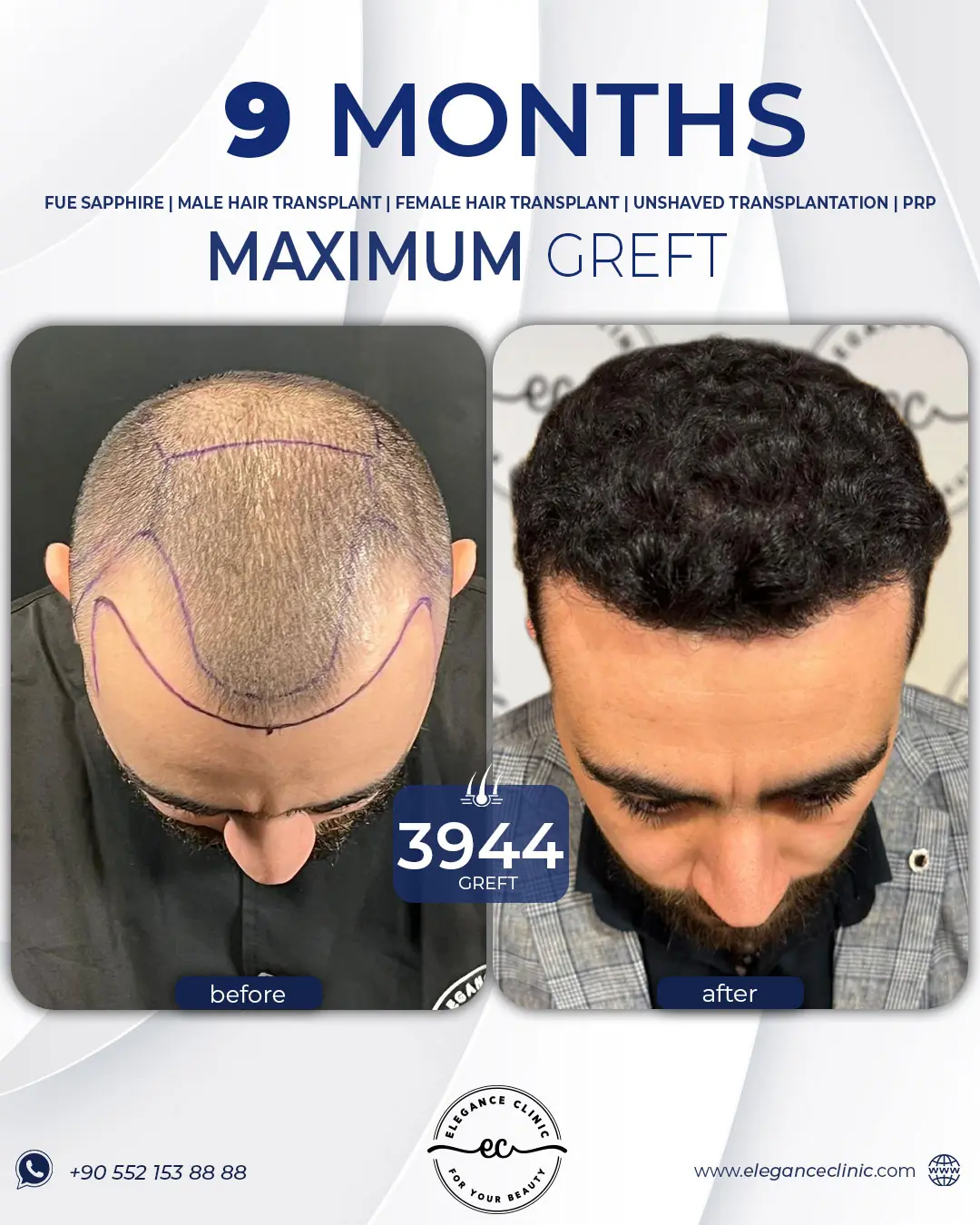
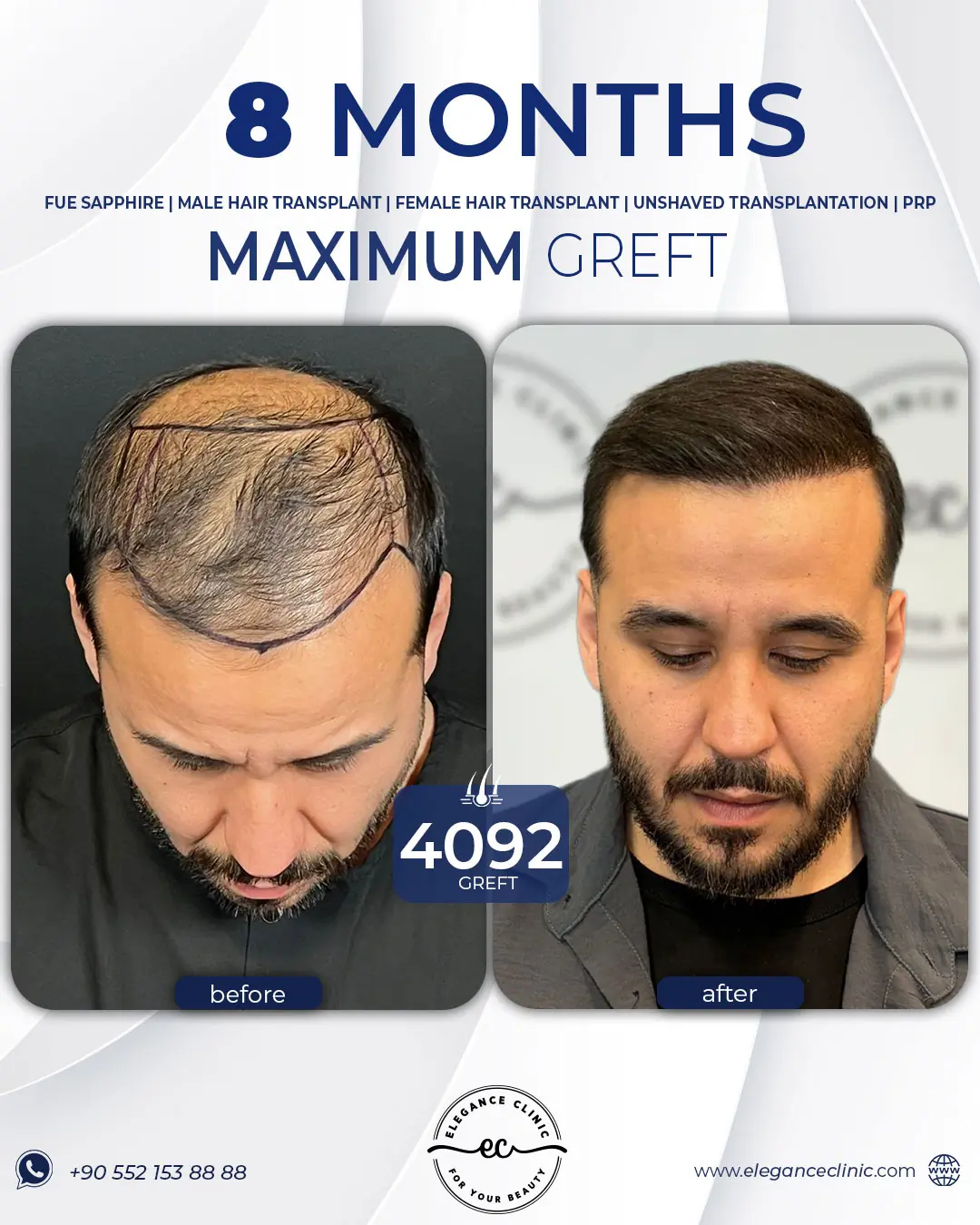
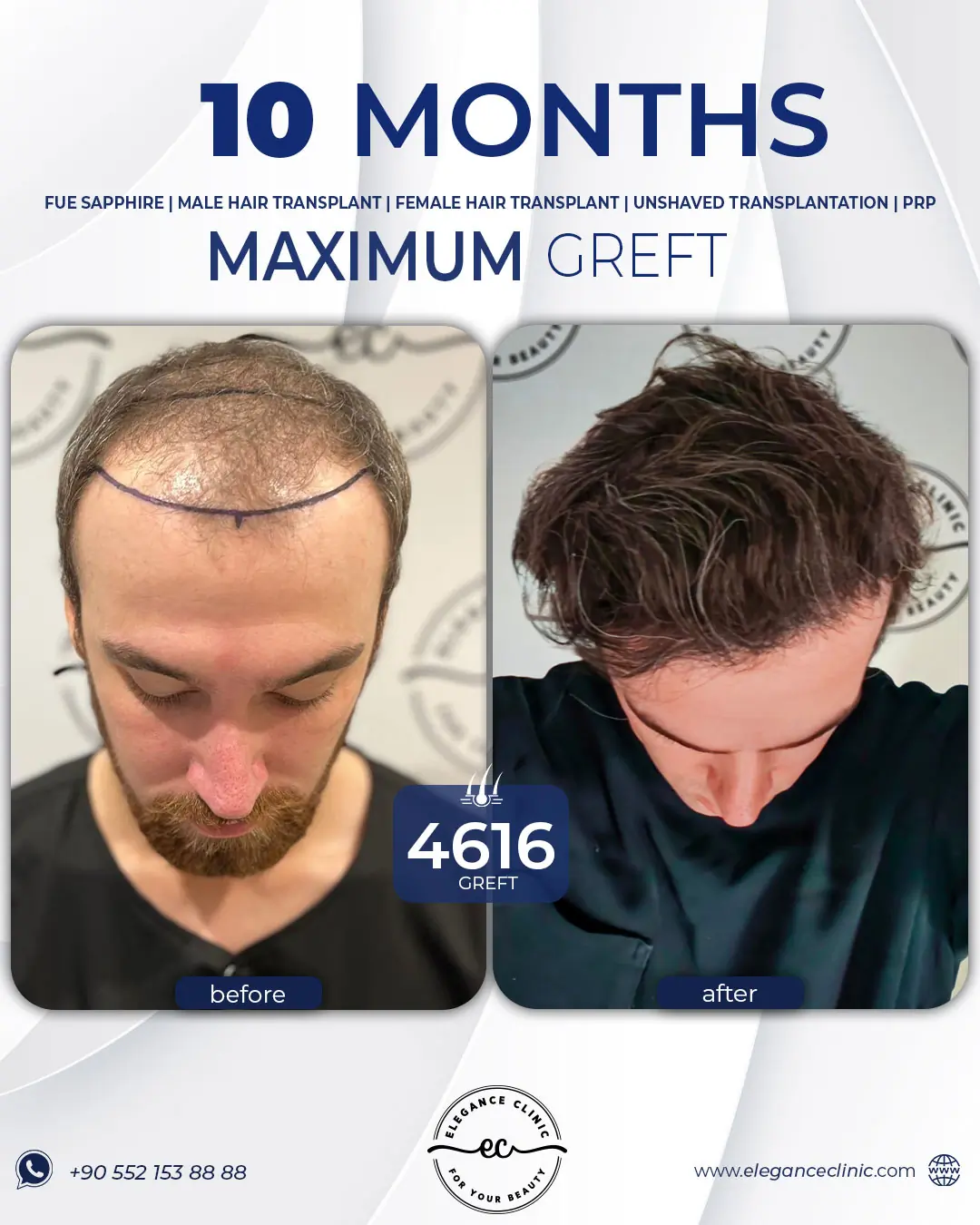
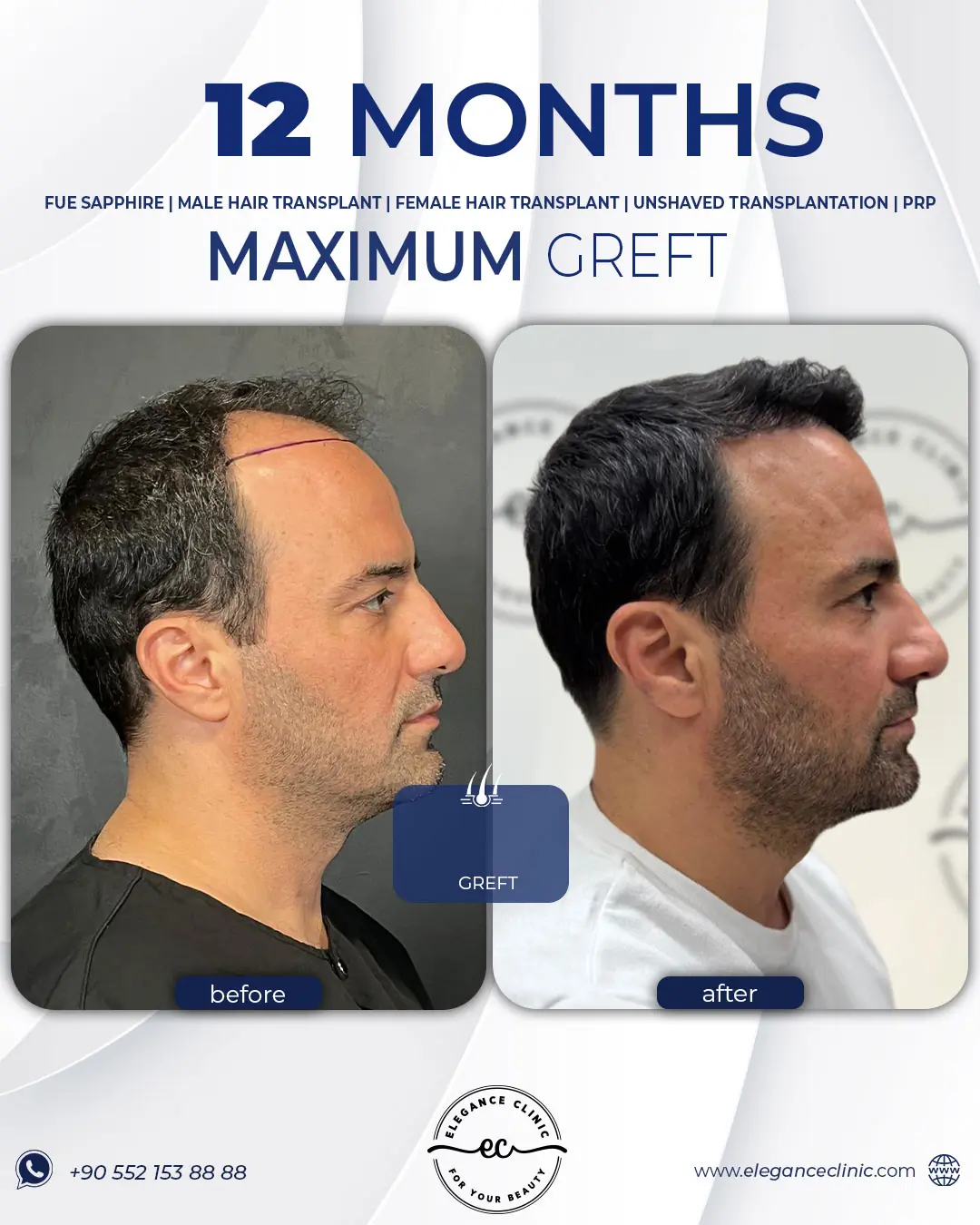
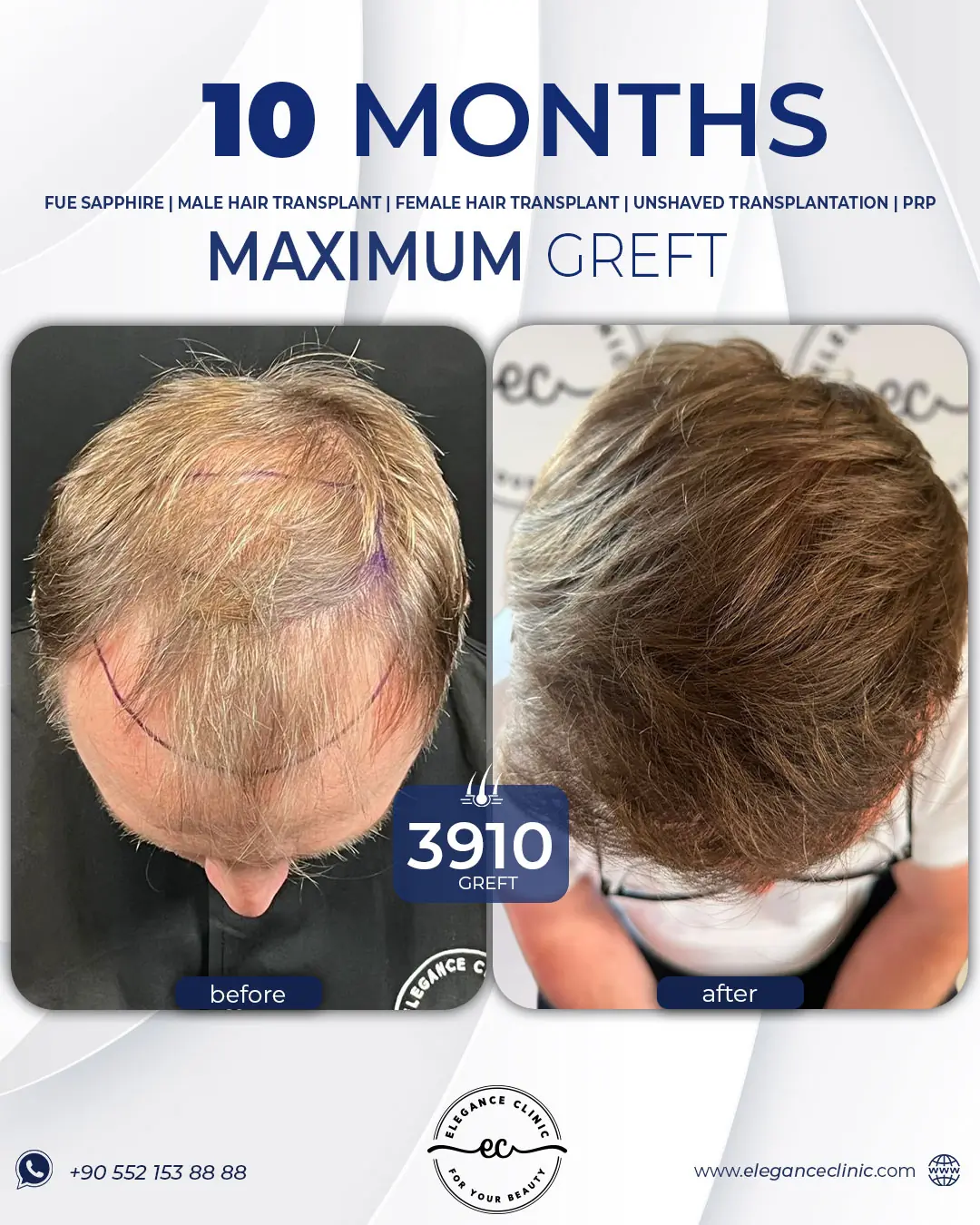
Hair transplant results are one of the most critical research topics for people considering the procedure. This is because the main factor influencing the decision-making process is not simply having the operation, but what kind of appearance will be achieved afterward. A natural hairline, satisfying density, correct placement angles, and smooth integration with existing hair are among the key indicators of a successful result.
In hair transplant procedures, the goal is not merely to cover empty areas. The real aim is to create a result that matches the person’s age, facial structure, hair characteristics, and level of hair loss, while also looking natural rather than artificial from the outside. For this reason, when evaluating hair transplant results, planning quality and overall aesthetic harmony should take priority over graft count alone.
What Do Hair Transplant Results Depend On?
Hair transplant results vary from person to person. The main reason for this is that factors such as hair shaft thickness, donor area capacity, the extent of baldness, the pattern of hair loss, skin structure, and the size of the transplant area differ in every patient. Even when the same technique is used, individual differences directly affect the outcome.
In successful hair transplant planning, the frontal hairline, mid-scalp density, crown area needs, and donor area usage should all be assessed together. Rather than making a single area look dense, the planning should provide harmony throughout the entire hair structure. Natural and aesthetically pleasing outcomes can only be achieved through this comprehensive approach.
Why Is a Natural Hairline So Important in Hair Transplant Results?
When it comes to hair transplant results, the first area that usually draws attention is the frontal hairline. This is because one of the strongest factors determining a natural appearance is this area. A hairline that is too straight, too harsh, inappropriate for the person’s age, or incompatible with facial proportions can create an artificial look even if the density is sufficient.
A properly designed hairline supports the person’s expression, matches the facial proportions, and reduces the feeling that a procedure has been performed. For this reason, in a successful hair transplant result, a natural hairline is not just an aesthetic detail, but one of the fundamental elements that determine the overall quality of the outcome.
Density Alone Does Not Mean a Successful Result
When many people think of hair transplant results, they focus only on density. However, density alone is not a measure of success. A transplant that is planned to be very dense but has incorrect hair directions, a harsh hairline, or an unbalanced overall distribution may still remain aesthetically weak.
In a successful hair transplant result, what matters is that density is distributed evenly to the right areas. Harmony should be maintained between the frontal area, mid-scalp, and other areas in need, and the grafts should be placed according to the natural direction of hair growth. Aesthetically satisfying results are achieved through this type of planning.
How Does the Donor Area Affect Hair Transplant Results?
The donor area is the main source of a hair transplant procedure. The quality of the grafts taken from this area and how evenly they are used directly determine the outcome. Aggressive or uncontrolled use of the donor area may provide a dense look in the short term, but in the long term, it can cause thinning and an uneven appearance in the back of the scalp.
For this reason, strong hair transplant results should not be evaluated only by how well the recipient area is covered, but also by whether the aesthetic integrity of the donor area is preserved. Balanced donor management is important both for the current result and for any planning that may be needed in the future.
When Do Hair Transplant Results Become Visible?
Hair transplant results do not appear immediately. In the first days after the procedure, redness, sensitivity, and scabbing may occur. In the following period, temporary shedding may also be seen, which is considered one of the natural stages of healing for many people. This process is related to the hair follicles transitioning into a new growth cycle.
The appearance of new hair and the overall visual improvement develop gradually over time. For this reason, after a hair transplant, it is important to be patient, follow aftercare recommendations, and evaluate the process correctly. The final appearance becomes much clearer in the later months rather than in the early stages.
How Can You Tell if a Hair Transplant Result Is Good?
A good hair transplant result is one that does not attract attention from the outside and is instead perceived as the person’s own natural hair because of its realistic appearance. A hairline that suits the facial structure, naturally directed hairs, evenly distributed density, and smooth transitions with existing hair all reveal this level of quality.
When evaluating hair transplant results, focusing only on close-up images is not enough. The appearance from different angles, harmony with the overall facial expression, the look of the donor area, and the overall distribution of the hair should all be examined together. Real success is when all of these details work in harmony at the same time.
DHI Hair Transplant Results
DHI hair transplant is one of the preferred methods, especially in cases that require more controlled work between existing hairs and in areas where increased density is desired. The aim of this technique is to place the hair follicles with greater control while preserving natural directional transitions.
DHI hair transplant results can be satisfying in terms of natural density and aesthetic transition when supported by correct patient selection and proper planning. Especially in areas where preserving existing hair is important, successful outcomes can be achieved thanks to the advantage of controlled placement.
Sapphire FUE Hair Transplant Results
Sapphire FUE hair transplant holds an important place among modern hair transplant procedures due to its precision during channel opening and the controlled preparation of the recipient area. The goal of this method is to create a natural hairline, distribute density evenly, and maintain harmony in the overall appearance.
Sapphire FUE hair transplant results stand out particularly in terms of homogeneous distribution planning over larger areas and natural hairline design. Which method is more suitable should be determined not by the technique’s name, but according to the person’s hair structure, degree of hair loss, and the desired outcome.
Unshaven Hair Transplant Results
Unshaven hair transplant is a frequently researched option for people who want to return to their social life more quickly and prefer to preserve their current hair appearance as much as possible. In this method, the goal is not only to avoid shaving the hair, but also to maintain a more controlled aesthetic appearance after the procedure.
Unshaven hair transplant results vary depending on the size of the thinning area, existing hair density, the planned number of grafts, and donor capacity. It may not be suitable for every patient, but when applied to the right candidate profile, it can provide satisfying results in terms of both social comfort and aesthetic appearance.
What Should Be Evaluated When Reviewing Hair Transplant Results?
When examining hair transplant results, the frontal hairline, hair direction, implantation angle, density distribution, harmony with existing hair, transitions in the mid-scalp, and preservation of the donor area should all be evaluated together. Looking only at coverage in a single area is not enough to properly understand the quality of the result.
In a successful hair transplant outcome, aesthetic quality is felt not only through hair growth itself, but through the appearance as a whole. When naturalness, balance, and harmony with the face come together, the result creates a stronger, more satisfying, and more lasting effect.
Why Is Planning So Important for Hair Transplant Results?
One of the most decisive factors affecting hair transplant results is planning. This is because every patient has a different level of hair loss, hair structure, donor capacity, and expectation. When personalized planning is not carried out and standard approaches are used instead, density distribution, hairline design, and overall aesthetic harmony may become weak.
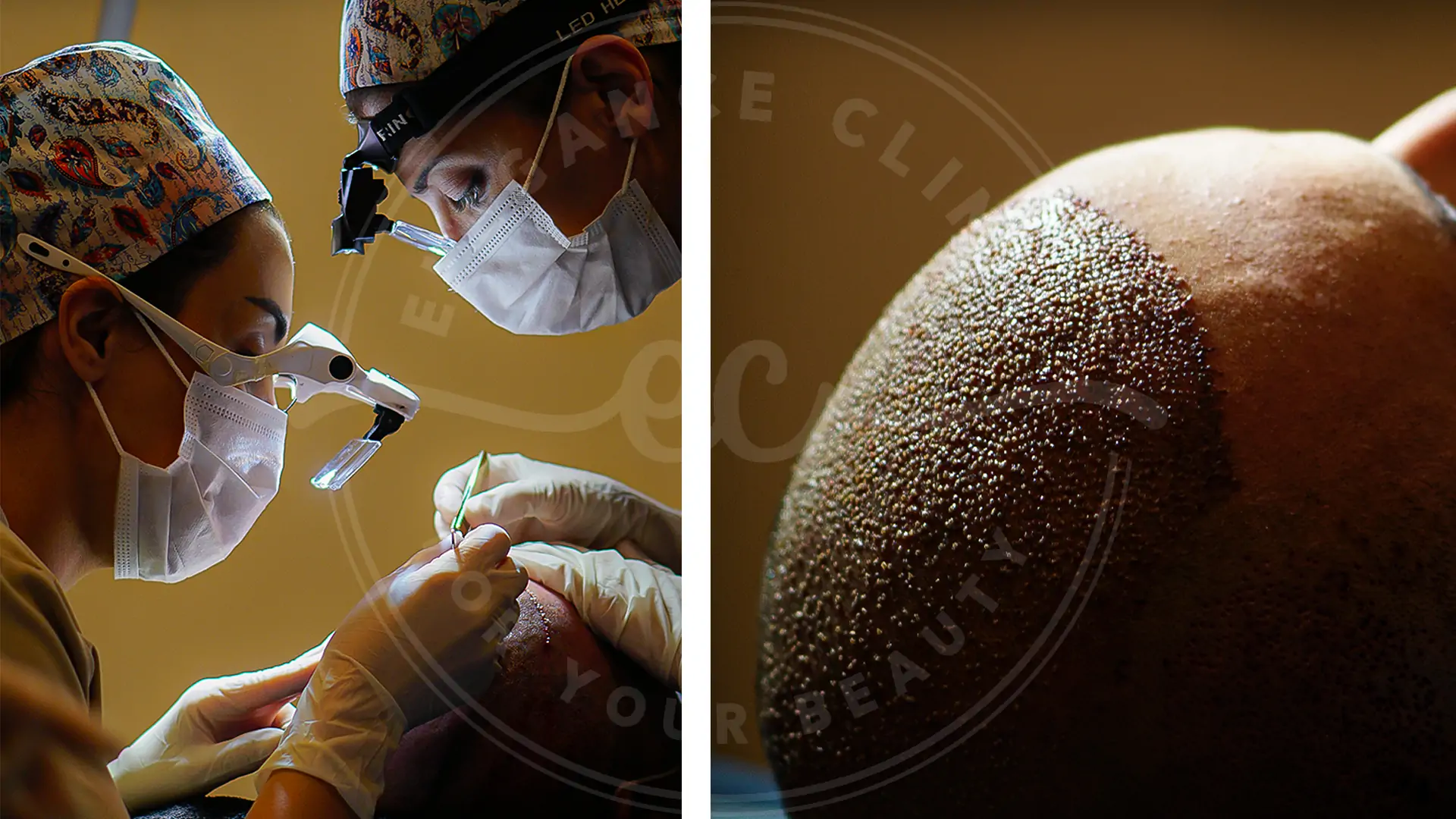
Hair Transplant Results
In a properly planned hair transplant process, not only the current appearance but also possible future needs are taken into consideration. This approach creates more balanced, more natural, and more satisfying long-term outcomes.
Frequently Asked Questions
When do hair transplant results become visible?
Hair transplant results become more noticeable over a process that unfolds over time. In the early stage, healing phases are monitored, while in the following months, new hair growth and density can be evaluated more clearly.
Are hair transplant results the same for everyone?
No. Hair transplant results vary from person to person depending on many factors such as hair structure, hair shaft thickness, degree of hair loss, donor area capacity, and the quality of planning.
How can a natural hair transplant result be recognized?
A natural hair transplant result can be recognized by a soft-looking hairline, correct hair direction, balanced density, and transitions that blend well with existing hair. It is important that it does not create the impression that a procedure has been done when viewed from the outside.
Does the donor area affect the hair transplant result?
Yes. The strength of the donor area and how evenly it is used directly affect the hair transplant result. Uncontrolled use can negatively impact both the appearance and long-term planning.
Does higher density always mean a better result?
Not always. Density alone does not mean a successful result. Without the right angle, the right direction, a natural hairline, and balanced distribution, density alone may not be aesthetically sufficient.
Is there a difference between DHI and Sapphire FUE hair transplant results?
Both methods can provide successful results for the right patient. What matters here is not the name of the technique, but making a plan that suits the person’s needs and carrying out the procedure correctly.